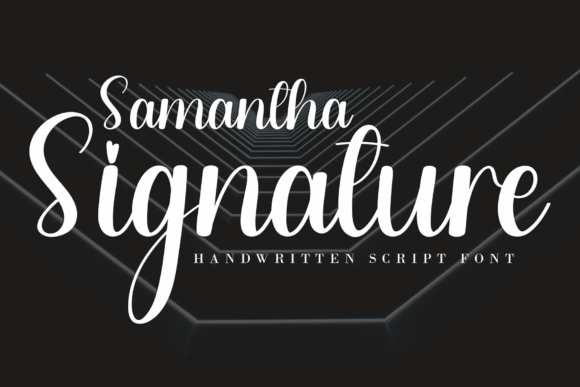
Samantha Signature: A Practical Evaluation
In the landscape of digital typography, the demand for fonts that bridge the gap between professional polish and personal warmth continues to grow. Samantha Signature is a cool and modern handwritten font designed to meet this specific aesthetic need. Whether you are using it for crafts, digital design, presentations, or creating greeting cards, this font has the potential to be your go-to font, whatever the occasion. However, before integrating it into a workflow, it is essential to understand its structural characteristics, appropriate use cases, and inherent limitations.
Defining the Aesthetic of Samantha Signature
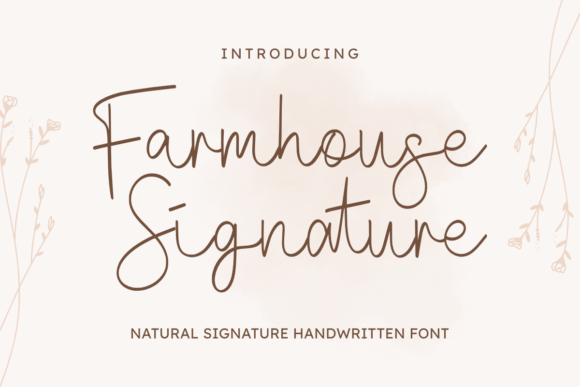
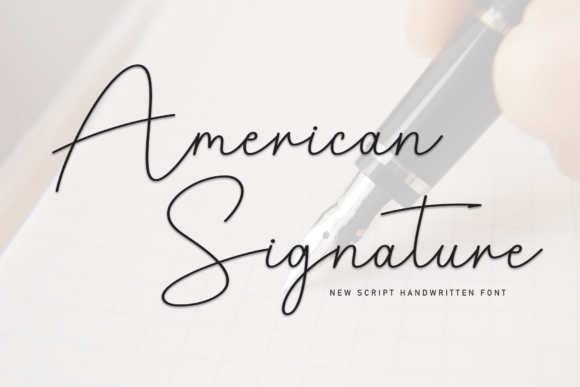
Samantha Signature is not merely a decorative typeface; it is a functional script designed to mimic the fluidity of natural handwriting while maintaining the consistency required for digital legibility. Unlike traditional calligraphy scripts that often feature dramatic swashes and varying stroke widths based on pen pressure, Samantha Signature adopts a more contemporary approach. It balances the organic feel of a marker or fine-liner with the geometric stability needed for screen display.
The "cool and modern" descriptor often associated with this font stems from its clean lines and lack of excessive ornamentation. It avoids the cluttered look of vintage cursive, opting instead for open counters and distinct letterforms. This design philosophy makes it particularly effective in environments where readability must not be sacrificed for style. When evaluating a font like Samantha Signature, the primary consideration is how well it retains its character at various sizes without becoming illegible or overly stylized.
Why Designers and Creators Choose This Font
The decision to incorporate Samantha Signature into a project usually stems from a desire to inject personality into otherwise sterile layouts. In an era dominated by sans-serif interfaces and rigid grid systems, a handwritten element can serve as a focal point that humanizes the content. There are several specific reasons why users gravitate toward this typeface:
- Emotional Connection: Handwritten fonts inherently evoke a sense of authenticity and intimacy. For projects requiring a personal touch, such as wedding invitations or boutique branding, Samantha Signature provides a visual cue that suggests care and attention to detail.
- Versatility Across Media: The font's structure allows it to scale effectively. It works equally well when printed on small tags for physical crafts or displayed as a large headline on a digital presentation slide.
- Modern Relevance: Many script fonts feel dated or overly formal. Samantha Signature offers a fresher alternative that aligns with current design trends favoring minimalism and approachability.
Benefits and Tradeoffs in Practice
While Samantha Signature offers distinct advantages, every typeface comes with tradeoffs that designers must weigh against their project requirements. Understanding these dynamics is crucial for making an informed selection.
The Benefits
The primary benefit of Samantha Signature is its ability to elevate simple text into a design statement. Because it mimics a confident hand, it can make headlines feel dynamic and engaging. Furthermore, its modern execution means it pairs exceptionally well with clean sans-serif body text, creating a high-contrast hierarchy that guides the reader's eye. For digital creators, the file size and rendering performance are typically optimized, ensuring smooth loading times on web pages and applications.
The Tradeoffs and Considerations
Despite its strengths, there are scenarios where Samantha Signature may fall short. As a script font, it is generally unsuitable for long-form body copy. Reading paragraphs of text in a handwritten style can cause eye strain and reduce comprehension speed. Additionally, while the font is designed to be legible, the connected nature of the letters can sometimes create ambiguity in certain contexts, particularly if the kerning is not adjusted carefully.
Another consideration is the licensing and technical implementation. Depending on the source, users may encounter limitations regarding commercial use, embedding in PDFs, or web font integration (WOFF/WOFF2). It is vital to verify the license terms before committing to a large-scale project. Furthermore, the "modern" aesthetic might clash with brands that require a strictly corporate or traditional image. In those cases, the casual nature of Samantha Signature could undermine the desired tone of authority.
Ideal Scenarios for Implementation
To determine if Samantha Signature aligns with your goals, consider the specific context of your project. This font is a strong fit for situations where brevity and impact are paramount.
- Greeting Cards and Stationery: The personal feel of the font makes it ideal for messages where sentiment is key. It adds a layer of warmth that standard serif or sans-serif fonts cannot replicate.
- Craft Projects: For scrapbooking, custom t-shirt designs, or DIY home decor labels, Samantha Signature offers the flexibility to stand out without looking messy.
- Digital Presentations: Using the font for section headers or pull quotes in slides can break up monotony and keep the audience engaged.
- Logo Design for Lifestyle Brands: Businesses in the wellness, fashion, or artisan sectors often benefit from the approachable vibe this font conveys.
When to Consider Alternatives
There are clear instances where selecting Samantha Signature might not be the most strategic choice. If the primary goal is maximum readability for dense information, such as legal documents, technical manuals, or news articles, a standard serif or sans-serif typeface is superior. Similarly, if the brand identity relies on rigidity, precision, or industrial strength, the fluid curves of a handwritten font may send mixed signals.
Furthermore, if the project requires extensive customization of individual characters—such as ligatures that connect words in complex ways—a more robust calligraphy suite might offer better control. In multilingual contexts, one must also verify that the font supports the necessary character sets, as many decorative scripts have limited glyph coverage compared to standard system fonts.
Practical Decision-Making Insights
Before finalizing Samantha Signature for a project, conduct a quick usability test. Type out the longest phrase you intend to use and view it at 50% and 150% of its intended size. Check for legibility issues, overlapping strokes, or awkward spacing. Pair it with a neutral body font to see if the contrast creates a harmonious hierarchy or visual conflict.
Ultimately, the value of Samantha Signature lies in its ability to balance style with function. It is a tool best used sparingly to highlight key messages rather than to carry the entire weight of a layout. By understanding its strengths in crafting emotional connections and its limitations in handling dense text, designers can leverage this modern handwritten font effectively. Whether for a personal craft or a professional digital campaign, the decision to use Samantha Signature should be driven by the specific narrative you wish to convey and the clarity you need to maintain for your audience.