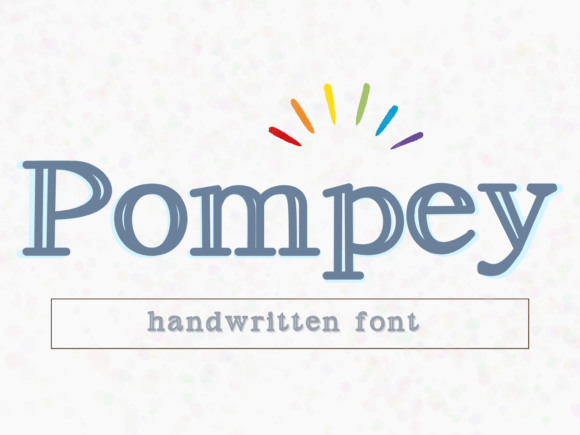
Pompey: A Practical Evaluation of a Handwritten Typeface
In the landscape of digital typography, the demand for fonts that convey authenticity and human connection has grown significantly. Pompey is a lovely and timeless handwritten font designed to meet this need. It presents itself as a versatile tool for designers seeking to infuse personality into their work. While marketing materials often describe it as the best choice for creating eye-catching logos, branding, and quotes, a practical evaluation requires looking beyond the promotional language. This article examines the characteristics of Pompey, its functional applications, and the tradeoffs involved in selecting it for specific design projects.
Understanding the Design Philosophy of Pompey
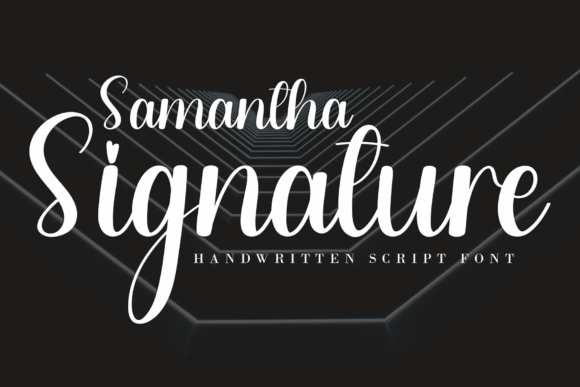
Pompey belongs to the category of script or handwriting-style typefaces. Unlike geometric sans-serifs or rigid serifs, which prioritize uniformity and structure, Pompey mimics the natural flow of a pen on paper. The defining characteristic of this font is that every letter has a unique and beautiful touch. These variations are not random errors but intentional design choices meant to replicate the imperfections found in genuine calligraphy.
The "timeless" quality attributed to Pompey stems from its adherence to classic calligraphic principles. It avoids overly trendy flourishes that might date a design quickly. Instead, it relies on balanced strokes and organic curves. For a designer, understanding this foundation is crucial. Pompey is not merely a decorative element; it is a communication tool that signals warmth, approachability, and craftsmanship. When evaluating whether a font fits a project, one must consider if these emotional cues align with the brand's intended message.
Key Use Cases Where Pompey Excels
There are specific scenarios where Pompey demonstrates significant strength. Its primary utility lies in contexts where brevity and impact are paramount. Because the intricate details of a handwritten style can become difficult to read at small sizes or in long blocks of text, Pompey is best suited for short-form content.
- Logo Design: Logos require immediate recognition and memorability. Pompey’s unique letterforms can help a brand stand out in a crowded market. The organic nature of the font suggests a boutique or artisanal quality, making it an excellent fit for businesses in the lifestyle, food, and beverage sectors.
- Branding Elements: Beyond the logo itself, Pompey works well for taglines, headers, and accent text. It adds a layer of sophistication to packaging labels, business cards, and social media graphics without overwhelming the viewer.
- Quotes and Typography Art: As noted in its description, Pompey is ideal for quotes. The expressive nature of the letters enhances the emotional weight of the words, making it a strong choice for wall art, greeting cards, and inspirational posters.
Benefits and Advantages
The decision to use Pompey often comes down to the aesthetic value it brings to a composition. The most significant benefit is its ability to make a design come alive. Static, mechanical fonts can sometimes feel cold or impersonal. By introducing the variability of Pompey, a layout gains rhythm and movement. This visual interest can engage viewers more effectively than standard typefaces.
Furthermore, Pompey offers a sense of exclusivity. In an era dominated by digital perfection, the slight irregularities of a handwritten font signal human effort. This can be a powerful psychological trigger for consumers who value authenticity. For brands positioning themselves as handmade, custom, or personal, Pompey provides a visual shorthand that communicates these values instantly.
Tradeoffs and Considerations
Despite its aesthetic appeal, Pompey is not a universal solution. Selecting a handwritten font involves navigating several tradeoffs that designers must weigh carefully. The most critical consideration is legibility. Because the letters are connected and stylized, they can be harder to decipher than block letters. This issue is compounded when the font is used in environments with low resolution or on mobile screens where space is limited.
Another factor is versatility. Pompey is highly specialized. While it excels in headlines and short phrases, it is generally unsuitable for body copy. Using it for paragraphs of text can lead to reader fatigue and poor user experience. Additionally, the unique shape of each letter means that kerning (the spacing between characters) requires careful attention. Automatic spacing algorithms may not always produce optimal results, necessitating manual adjustments to ensure the text looks balanced.
Designers should also consider the context of the brand. If a company operates in a sector that demands strict professionalism, such as law, finance, or healthcare, the informal nature of Pompey might undermine credibility. In these cases, the "lovely" qualities of the font could be perceived as unprofessional or frivolous.
When to Consider Alternatives
While Pompey is a robust option for many creative projects, there are situations where alternatives may be worth considering. If the primary goal is maximum readability across all devices and print sizes, a clean sans-serif or serif font is likely a safer bet. Similarly, if the brand identity relies on modernism, minimalism, or high-tech innovation, the traditional calligraphic style of Pompey might clash with the overall visual strategy.
Alternatives might also be necessary if the project requires extensive customization. Some vector-based script fonts offer more flexibility in terms of stroke weight and ligature options compared to bitmap-based or fixed-style scripts. If a designer needs to manipulate the font heavily to fit a complex layout, exploring other typefaces with more modular components could yield better results.
Practical Decision-Making Insights
To determine if Pompey aligns with your goals, a structured evaluation process is recommended. Start by testing the font in the actual environment where it will be displayed. Create mockups of the logo on a website, a product package, and a business card. Observe how the unique touches hold up at different scales. Does the charm of the font survive when shrunk to icon size? Does it remain readable against various background colors?
Next, assess the emotional resonance. Does the font evoke the feeling you want your audience to have? If the answer is yes, proceed with caution regarding usage limits. Restrict Pompey to headlines, logos, and short accents. Pair it with a neutral, highly legible sans-serif font for body text to create a balanced hierarchy. This combination leverages the strengths of both styles: the personality of Pompey and the clarity of a standard typeface.
Finally, consider the longevity of the design. Timeless fonts like Pompey are less likely to look dated in five years compared to trend-driven scripts. However, trends in color and layout change rapidly. Ensure that the pairing of Pompey with other design elements supports a cohesive vision that can evolve over time without requiring a complete rebrand.
Conclusion
Pompey represents a specific niche within the world of typography, offering a blend of elegance and human touch. It is a powerful asset for creating eye-catching logos, branding, and quotes where personality is key. However, its effectiveness depends entirely on appropriate application. By understanding its strengths in short-form content and recognizing its limitations regarding legibility and formality, designers can make informed decisions. Ultimately, Pompey is not just a font; it is a strategic choice that, when used correctly, can significantly enhance the emotional impact of a design.