Farmhouse Signature: A Practical Guide to Its Style, Uses, and Alternatives
In the crowded landscape of digital typography, finding a font that balances legibility with genuine character can be challenging. Farmhouse Signature emerges as a specific solution for designers seeking a handwritten script that feels authentic rather than mechanically generated. Unlike standard calligraphy fonts that often rely on perfect symmetry and uniform stroke weights, this typeface is built on the premise of imperfection. It mimics the natural variance found in human handwriting, offering an elegant and personal touch to each character. For adults navigating design projects ranging from wedding invitations to brand logos, understanding where this font fits—and where it might fall short—is essential for making informed aesthetic decisions.
Defining the Distinctive Character of Farmhouse Signature
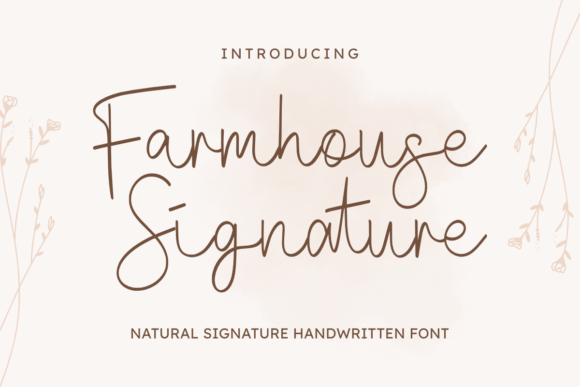
The core appeal of Farmhouse Signature lies in its inspiration: handmade strokes. When evaluating a script font, one must look beyond the static image of a single letter to understand how the characters interact. This font brings a natural handwritten feel that is warm and inviting by deliberately avoiding the rigid constraints of geometric perfection. Each letter displays uniqueness in every curve and stroke, creating a relaxed yet refined atmosphere that resonates with audiences looking for authenticity.
What makes this typeface distinct is its ability to simulate the pressure and flow of a real pen or brush. In many digital scripts, the transition between thick and thin lines is mathematically calculated, resulting in a "plastic" look. In contrast, Farmhouse Signature introduces subtle irregularities. These variations prevent the text from feeling repetitive, even when used in longer phrases. The result is a visual texture that suggests care and effort, qualities that are highly valued in personal correspondence and boutique branding.
However, this distinctiveness comes with a caveat. Because the font relies on the illusion of spontaneity, it requires careful application. It is not a workhorse font meant for body copy or dense information blocks. Its strength is strictly in display settings where the personality of the typeface can be appreciated without compromising readability.
Comparing Script Styles: Where Does It Fit?
When comparing Farmhouse Signature to other options in the script category, it is helpful to categorize it against two primary archetypes: formal calligraphy and casual marker styles. Formal calligraphy fonts, often characterized by sharp serifs and high contrast, convey tradition and luxury but can feel distant or overly stiff. Casual marker fonts, conversely, offer approachability but sometimes lack the elegance required for sophisticated events.
Farmhouse Signature occupies a middle ground that is increasingly popular in modern design. It offers the warmth of a casual script while maintaining enough structure to remain legible and refined. If you are considering alternatives, you might find that traditional calligraphy fonts feel too rigid for a rustic-themed wedding, while a messy marker font might appear unprofessional for a brand logo. This font bridges that gap, providing a "relaxed yet refined" aesthetic that neither extreme achieves alone.
Another critical comparison point is versatility within the family. Some script fonts come with extensive ligatures and alternate characters, allowing for infinite customization. Others are more limited. While Farmhouse Signature focuses on the unique quality of each individual stroke, designers should evaluate whether the available alternates meet their specific layout needs. If your project requires complex kerning adjustments or specific character connections, testing the font in your actual design software is a necessary step before committing.
Evaluating Tradeoffs: Elegance vs. Readability
Every design choice involves tradeoffs, and choosing a handwritten style like Farmhouse Signature is no exception. The primary tradeoff is between aesthetic charm and functional readability. The very features that make the font inviting—the varying stroke widths and organic curves—can hinder legibility if used at small sizes or in long paragraphs.
For instance, using this font for a full-page menu description would likely frustrate readers. The eye has to work harder to decipher the connected letters and unique shapes. Therefore, the best-fit situations are those where text is sparse and impactful. Headlines, names, dates, and short taglines are ideal candidates. In these contexts, the font's limitations become irrelevant because the text volume is low enough that the viewer can appreciate the artistry without strain.
Furthermore, consider the medium. On a high-resolution print piece, such as a greeting card or invitation, the nuances of the handmade strokes will shine. However, on a mobile screen or a low-resolution web banner, some of the finer details may blur. Designers must weigh the intended delivery method carefully. If digital scalability is a priority, a bolder, more structured script might be a safer alternative, whereas Farmhouse Signature excels in print and high-quality digital presentations.
Best-Fit Scenarios for Personal and Brand Applications
Understanding when Farmhouse Signature is the right choice requires looking at the emotional tone of the project. This font is ideal for design projects that seek a personal touch. It thrives in environments where the goal is to connect with the audience on a human level, stripping away the corporate sterility often associated with sans-serif or serif typefaces.
- Wedding Invitations: The warm and inviting nature of the font makes it a top contender for weddings that aim for a rustic, bohemian, or intimate vibe. It sets a tone of celebration and personal connection immediately.
- Greeting Cards: For holiday cards, birthdays, or thank-you notes, the font mimics the sentiment of writing a message by hand, adding a layer of sincerity that pre-printed block text cannot achieve.
- Brand Logos: Small businesses, particularly in the food, beverage, craft, and lifestyle sectors, often use this style to signal artisanal quality. A bakery, a boutique coffee shop, or a handmade soap company can leverage the font to communicate that their products are made with care.
- Design Elements: Beyond text, the font works well as a graphical element. Watermarks, decorative headers, or accent text in social media graphics can benefit from its unique curves.
Conversely, there are scenarios where this font is the wrong choice. Projects requiring authority, strict professionalism, or technical clarity should avoid it. Legal documents, medical reports, or corporate annual reports demand neutrality and maximum legibility. Using a handwritten script in these contexts can undermine the credibility of the content, making it appear informal or unverified.
Decision Factors for Selecting the Right Typeface
Before integrating Farmhouse Signature into a workflow, several decision factors should guide the evaluation process. First, consider the pairing potential. Script fonts rarely stand alone; they need a supportive partner. A clean, simple sans-serif or a neutral serif font usually provides the best contrast, allowing the script to take center stage without creating visual chaos. Test the font alongside your chosen secondary typeface to ensure the hierarchy is clear.
Second, evaluate the licensing and usage rights. Whether you are a freelancer or working in-house, understanding the scope of the license is crucial. Some fonts allow unlimited commercial use, while others have restrictions on the number of impressions or require additional fees for large-scale campaigns. Ensure that the terms align with your project's scale and distribution channels.
Finally, assess the longevity of the trend. While handwritten aesthetics have remained popular for years, specific styles can date quickly. Farmhouse Signature leans towards a timeless rustic elegance rather than a fleeting fad, which suggests it may remain relevant for a variety of future projects. However, always ask yourself if the font truly reflects the brand identity or event theme you are trying to establish, or if it is simply being used because it looks nice.
Conclusion: Making an Informed Choice
Farmhouse Signature offers a compelling option for designers who prioritize emotion and authenticity over rigid structure. Its ability to bring a natural handwritten feel to digital projects makes it a powerful tool for creating warm and elegant atmospheres. By understanding its strengths in display settings and recognizing its limitations in body copy, users can deploy it effectively across wedding invitations, greeting cards, and brand identities.
Ultimately, the decision to use this font should rest on the specific goals of the project. If the objective is to evoke a sense of personal connection and artisanal quality, it is a strong contender. If the priority is strict utility and mass readability, other categories of typefaces may serve better. By weighing these factors against the unique characteristics of the font, designers can make choices that enhance their work rather than detract from it.