Neon: The Electric Pulse of Modern Design
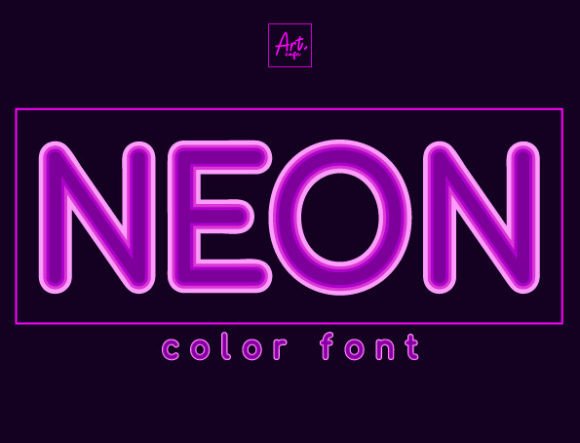
In the crowded digital landscape, where attention is the most scarce resource, visual language must do more than communicate; it must captivate. Neon has emerged as a defining aesthetic force, not merely as a color palette but as a typographic philosophy that electrifies designs with vibrant energy. This style, characterized by vivid hues and sleek letterforms, captures the essence of urban neon signs, creating a visually striking and modern aesthetic that resonates deeply with contemporary audiences. For professionals ranging from marketing directors to freelance graphic designers, understanding the power of Neon is no longer optional—it is a strategic necessity for projects demanding a bold and dynamic vibe.
The resurgence of this aesthetic is not accidental. It represents a convergence of nostalgia and futurism, tapping into a collective memory of late-night cityscapes while embracing the glowing screens that dominate our daily lives. As we navigate an era defined by rapid technological shifts and evolving user expectations, the ability to illuminate your designs with contemporary flair can be the differentiator between being seen and being ignored.
The Evolution of Urban Aesthetics in Digital Spaces
To understand why Neon is so relevant today, one must look at how design trends have shifted over the last decade. We moved from the sterile minimalism of the early 2010s, dominated by flat design and muted grays, toward a more expressive, tactile, and emotionally resonant visual language. The "flat" era served a purpose in simplifying complex interfaces, but as digital environments became ubiquitous, users began craving depth, texture, and personality.
Neon fills this void by introducing a sense of physicality to the digital realm. It mimics the glow of gas tubes against dark surfaces, a phenomenon that the human eye is naturally drawn to. This evolution reflects a broader cultural shift where the boundaries between the physical city and the digital metaverse are blurring. In virtual reality spaces, gaming environments, and even standard web applications, the glowing aesthetic provides a familiar anchor. It suggests activity, nightlife, and excitement—qualities that static, matte designs often struggle to convey.
This trend is particularly potent because it aligns with the "retro-futurism" movement. People aged 20 to 50, who grew up with the cyberpunk imagery of the 80s and 90s, now hold significant purchasing power and creative influence. They recognize the visual shorthand of Neon instantly. It signals a specific mood: edgy, innovative, and unapologetically loud. By leveraging this history, creators can establish an immediate emotional connection with their audience without needing extensive explanation.
Capturing the Essence of Nightlife and Energy
The core appeal of Neon lies in its ability to simulate light. In a world of high-definition displays, typography that appears to emit its own light creates a focal point that commands attention. The vivid hues associated with this style—electric blues, hot pinks, acidic greens, and deep purples—are not just decorative; they are functional tools for hierarchy and emphasis.
When applied correctly, these colors guide the viewer's eye through a layout, highlighting key calls to action or critical information. The sleek letterforms typical of the style ensure that despite the intensity of the colors, readability remains intact. This balance is crucial. Many designers fall into the trap of making designs too chaotic, sacrificing legibility for style. However, true mastery of the Neon aesthetic involves using the glow effect sparingly and strategically to enhance the message rather than obscure it.
Strategic Applications for Professionals and Businesses
For business owners and marketers, integrating Neon into branding and communication strategies offers distinct advantages. In sectors like entertainment, technology, fashion, and hospitality, the need to stand out is acute. A brand that utilizes this aesthetic positions itself as forward-thinking and culturally aware. It suggests that the company is part of the conversation, active in the pulse of the city, and relevant to the modern lifestyle.
Consider the practical implications for a startup launching a new app. A landing page utilizing a dark background with glowing, neon-style typography can immediately convey a sense of innovation and speed. It tells the user that this product is not old news; it is fresh, exciting, and built for the future. Similarly, event organizers promoting concerts, festivals, or conferences can use this style to generate hype. The visual language of Neon is inherently energetic, making it perfect for campaigns that require a surge of enthusiasm and immediate engagement.
- Brand Differentiation: In saturated markets, a unique visual identity is vital. Neon helps brands break through the noise of generic corporate templates.
- Emotional Engagement: The warm yet electric feel of the colors triggers feelings of excitement and curiosity, encouraging users to explore further.
- Target Audience Alignment: It speaks directly to younger demographics while maintaining enough sophistication to appeal to older professionals seeking modernization.
Navigating the Technical Landscape
As technology advances, the tools available to create these effects have become more accessible. Modern CSS frameworks, design software, and even AI-driven generators allow creators to implement glowing effects with precision. However, technical capability does not replace artistic judgment. The challenge for professionals is to avoid clichés. Overuse of the aesthetic can lead to visual fatigue, making a project look dated rather than trendy.
The key is subtlety and context. Instead of applying a neon filter to every element, use it to highlight the most important parts of the design. Perhaps the headline glows, while the body text remains crisp and clean. This contrast creates a sophisticated rhythm that keeps the viewer engaged. Furthermore, accessibility must be considered. While the aesthetic relies on high contrast, designers must ensure that the color combinations meet WCAG guidelines for readability, ensuring that the design is inclusive for all users.
Shifting Workflows and Creative Practices
The rise of Neon aesthetics is also reshaping creative workflows. Designers are increasingly collaborating with developers earlier in the process to ensure that the glowing effects translate smoothly across different devices and screen types. This requires a deeper understanding of how light behaves on OLED and AMOLED screens, which are becoming the standard for mobile devices. These screens render black as true off-state pixels, allowing neon colors to pop with incredible vibrancy and saving battery life simultaneously.
For freelancers and agencies, this means staying updated on display technologies and adapting their color palettes accordingly. What looks good on a monitor might appear washed out on a phone if not calibrated correctly. The workflow now involves testing designs in various lighting conditions and on multiple devices to ensure the intended impact is preserved. This technical diligence ensures that the "contemporary flair" promised by the aesthetic is delivered consistently to the end-user.
Moreover, the integration of motion graphics with neon typography is becoming a standard practice. Static images are powerful, but animated glows that pulse or flicker add another layer of realism and dynamism. This motion mimics the behavior of real-world neon signs, adding a kinetic energy that static fonts cannot achieve. For content creators and bloggers, incorporating these subtle animations can significantly increase dwell time and interaction rates.
Real-World Examples of Success
We see successful implementations of this style across various industries. Tech companies often use it for product launches to signal cutting-edge features. Music festivals utilize it in their promotional materials to evoke the atmosphere of the live experience. Even traditional retail brands are adopting elements of this aesthetic to refresh their image and appeal to a younger demographic. In each case, the common thread is the desire to create a memorable, immersive experience that lingers in the mind of the consumer.
One notable observation is how effective this style is in social media contexts. Platforms like Instagram and TikTok are highly visual and fast-paced. Content that utilizes the high-contrast, glowing nature of Neon tends to stop the scroll more effectively than muted alternatives. It cuts through the clutter of feeds filled with similar content, offering a visual break that feels both familiar and novel.
Future Outlook and Sustainable Creativity
Looking ahead, the trajectory of this aesthetic suggests it will continue to evolve rather than fade. As augmented reality (AR) and mixed reality (MR) become more integrated into daily life, the distinction between digital overlays and physical signage will blur further. The principles of Neon design—high visibility, emotional resonance, and energy—are perfectly suited for these emerging environments. Designers who master this language now will be well-positioned to lead in the next generation of spatial computing.
However, sustainability in creativity is also a concern. Trends come and go, but foundational design principles endure. The longevity of the Neon aesthetic depends on its ability to adapt. It must remain flexible enough to incorporate new technologies and cultural shifts without losing its core identity. For businesses and creators, the recommendation is to adopt the style thoughtfully. Use it where it enhances the message and aligns with the brand values, rather than applying it simply because it is popular.
Ultimately, Neon is more than just a font or a color scheme; it is a statement of intent. It declares that a design is alive, active, and ready to engage with the world. By harnessing its vivid hues and sleek letterforms, professionals can create work that not only looks stunning but also connects with people on a visceral level. In a digital age that often feels cold and impersonal, the warmth and energy of neon offer a refreshing reminder of the human spirit and the vibrant chaos of urban life. Whether you are launching a startup, planning an event, or simply looking to refresh your portfolio, illuminating your designs with this contemporary flair is a powerful way to make your mark.