Camouflage: A Bold Military Font for Striking Visual Identities
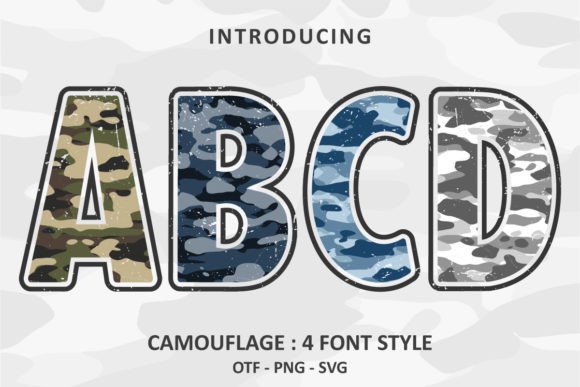
In the world of graphic design, finding a typeface that immediately commands attention without screaming for it is a rare feat. Camouflage achieves this balance by merging the rugged aesthetic of military gear with the vibrant energy of retro typography. It is not merely a font; it is a visual statement tool designed to make your projects stand out as cool and original. Whether you are crafting a logo for a streetwear brand or designing a poster for an indie film, this bold military camouflage font offers four distinctive patterns infused with numbers in a retro army style. The result is a color font that feels both nostalgic and aggressively modern.
Bringing Tactical Style to Brand Identity
One of the most compelling ways to utilize Camouflage is within the realm of corporate and brand identity. In a marketplace saturated with clean, minimalist sans-serifs, a brand needs a hook. This font provides that hook instantly. Imagine a coffee shop chain that wants to project an image of "awakening" and "alertness." Using Camouflage for their logotype creates an immediate association with vigilance and strength, setting them apart from competitors using standard script or serif fonts.
The apparel industry, in particular, benefits immensely from this style. Streetwear brands often lean into utilitarian aesthetics, and having a font that looks like it was stamped onto a tactical vest can elevate a simple t-shirt design into a collectible piece. Designers can use the four distinctive patterns to create limited edition runs, where each pattern represents a different season or collection. The retro army style numbers included in the set allow for creative date stamps on garments, adding a layer of storytelling to the clothing. For example, a hoodie featuring the year "1984" in the Camouflage style instantly evokes a specific era of counter-culture and rebellion.
Dynamic Applications in Media and Entertainment
Beyond physical products, Camouflage shines in digital and print media. Its bold nature makes it perfect for headlines in magazines, especially those covering technology, gaming, or extreme sports. When a magazine cover needs to scream "breaking news" or "exclusive access," this font delivers the necessary impact. The color variations ensure that the text doesn't just sit on the page but interacts with the background imagery, creating depth and texture.
In the music and movie industries, typography is often the first thing an audience sees before hearing a note or watching a frame. Album covers for rock, hip-hop, or electronic genres frequently benefit from the aggressive yet stylish look of Camouflage. It suggests rhythm, intensity, and a break from the norm. Similarly, movie posters for action films or sci-fi thrillers can use this font to establish tone immediately. A title treatment using the retro army style numbers can suggest a countdown or a mission code, immersing the viewer in the narrative before they even read the synopsis.
Comics and cartoons also find a natural home with this typeface. The playful yet edgy vibe fits well with superhero stories, spy adventures, or dystopian futures. Artists can use the color version to match the palette of their illustrations, ensuring the lettering feels integrated into the artwork rather than pasted on top. The distinct patterns allow for character-specific fonts, where a villain might have a darker, more chaotic pattern compared to the hero's structured design.
Navigating Technical Compatibility
While the visual potential of Camouflage is vast, understanding its technical requirements is crucial for a smooth workflow. This font comes in two primary versions: a black version and a color version. Knowing which one to choose depends entirely on the tools you are using and the final output you desire.
If you are working with cutting machines like Cricut, the black version is your go-to solution. It is fully compatible with Cricut Design Space and other similar cutting software. This makes it ideal for creating vinyl decals, iron-on transfers for shirts, or intricate paper cutouts. Since cutting machines typically handle single-color layers, the black outline ensures crisp, clean cuts without the complexity of managing multiple color channels.
However, if your goal is to leverage the full visual power of the four distinctive patterns and the retro army style numbers in color, you will need to work within specific design programs. The color version of Camouflage is optimized for professional desktop publishing and vector editing software such as Adobe Photoshop, Adobe Illustrator, Silhouette Studio, and Inkscape. These platforms support OpenType (OTF) and TrueType (TTF) files with embedded color data, allowing the patterns to render exactly as intended.
It is important to note a critical limitation: the OTF or TTF files of the color version are not compatible with Cricut. Attempting to import the color file directly into Cricut Design Space will likely result in errors or a loss of the pattern details. For users who need to bridge this gap—perhaps wanting to print a design with the color font and then cut it out—it is best to export the design from a compatible program like Illustrator as a high-resolution image or PDF before importing it into the cutting software. For detailed steps on how to manage these workflows effectively, checking the Ultimate Font Guide is highly recommended.
Strategic Considerations for Designers
Before integrating Camouflage into your next project, consider the context of your message. While the font is undeniably striking, its military roots carry specific connotations. It works exceptionally well for themes of adventure, resilience, strategy, and urban culture. However, it may feel out of place in contexts requiring softness, elegance, or traditional formality, such as wedding invitations or luxury spa branding.
Readability is another factor to weigh. Because the font features complex patterns and textures, it is best suited for headlines, logos, and short phrases. Using it for long paragraphs of body text can be overwhelming for the reader and difficult to decipher at smaller sizes. Stick to using it for titles and key focal points, pairing it with a clean, neutral sans-serif for the supporting text. This combination allows the Camouflage font to shine without compromising the overall legibility of your design.
Furthermore, think about the audience you are trying to reach. Adults aged 20 to 50 often appreciate designs that reference nostalgia while maintaining a contemporary edge. The retro army style numbers tap into this sentiment, evoking memories of vintage video games, classic war movies, and iconic fashion trends. By using this font, you signal to your audience that your brand or project understands cultural history and is confident enough to remix it for the modern day.
Ultimately, Camouflage is a versatile asset for any designer looking to inject personality and attitude into their work. From the apparel racks of a trendy boutique to the digital billboards of a city center, its ability to blend utility with artistry makes it a standout choice. Whether you are cutting vinyl for a custom car decal or rendering a high-res poster for a gallery show, this bold military camouflage font offers the tools you need to make your vision unforgettable.