Crayon Alphabet: A Playful Font for Creative Projects
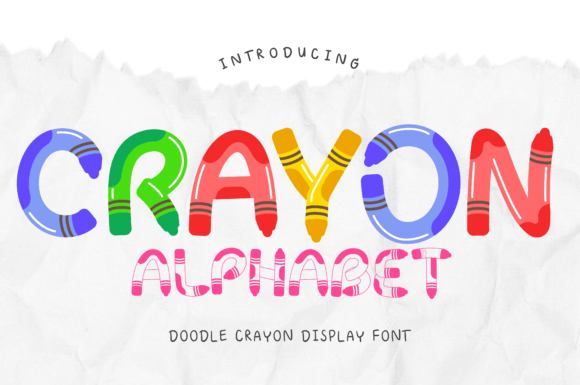
There is a distinct charm in the imperfect lines of a child's drawing. The wobble, the texture, and the vibrant hue instantly evoke feelings of nostalgia, innocence, and unbridled creativity. Crayon Alphabet captures this essence digitally, transforming standard typography into a visual experience that feels hand-drawn. Each letter mimics the look of being sketched with wax crayons, featuring bright colors and playful strokes that stand out against any background. For designers, educators, and hobbyists looking to inject warmth and energy into their work, this font offers a unique solution that bridges the gap between professional design and artistic whimsy.
Understanding the Visual Appeal
At its core, Crayon Alphabet is more than just a typeface; it is a mood setter. Unlike rigid, geometric sans-serifs or formal serifs, this font introduces organic irregularity. The letters appear as if they were pressed onto paper with varying pressure, creating depth and character. This aesthetic makes it an ideal choice for projects requiring a cheerful, approachable, and creative touch. Whether you are designing a birthday invitation, a classroom poster, or a brand identity for a toy store, the font immediately communicates fun and accessibility.
However, the utility of this font extends beyond simple decoration. It serves as a powerful communication tool that can soften the tone of a message or highlight specific information in a way that demands attention without being aggressive. The visual weight of the "crayon" texture ensures that headlines pop, while the color variations add an extra layer of engagement that monochrome text simply cannot achieve.
Technical Compatibility and File Formats
Before integrating Crayon Alphabet into a workflow, understanding its technical requirements is crucial to avoid frustration. The font comes in two primary variations: a black version and a full-color version. Each serves different purposes and has specific compatibility constraints that users must navigate.
The black version is designed for versatility in physical crafting. It is fully compatible with Cricut Design Space and other popular cutting machines. This makes it perfect for vinyl decals, t-shirt transfers, and cardstock cuts where the machine traces the outline of the letters. Users working with these tools will find the file integrates smoothly, allowing for precise cuts that can later be colored by hand or printed on colored material.
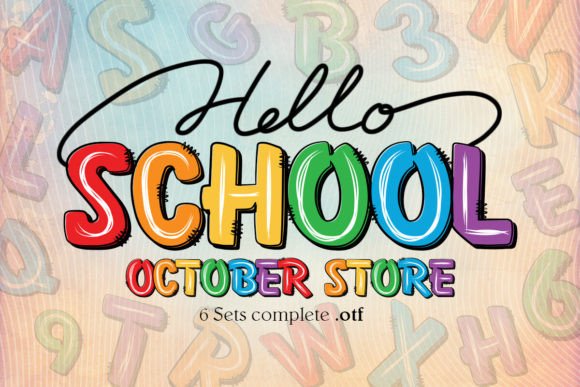
In contrast, the color version relies on advanced rendering capabilities found in vector and raster graphics software. It is compatible with programs such as Adobe Photoshop, Adobe Illustrator, Silhouette Studio, and Inkscape. These applications can interpret the multi-layered color data within the font file, rendering the letters exactly as they appear in the preview—complete with their crayon textures and hues.
Important Note: The OTF and TTF files of the color version are not compatible with Cricut Design Space. Attempting to use the color file in Cricut may result in errors or unexpected rendering issues. For those needing to use the color version with cutting machines, it is often necessary to convert the text to images or paths first using compatible software like Illustrator or Silhouette. For detailed instructions on navigating these file types, consulting an Ultimate Font Guide is highly recommended.
Priorities for Beginners and Hobbyists
For beginners and hobbyists, the primary concern is often ease of use and learning value. If you are new to digital design, the Crayon Alphabet can be a delightful introduction to typography. Its forgiving nature means that even if your layout skills are still developing, the font itself carries the visual interest. You don't need complex kerning or spacing adjustments to make it look good; the inherent style does much of the heavy lifting.
Hobbyists might use this font for personal projects like scrapbooking, handmade greeting cards, or family event invitations. The ability to print colorful letters directly from the screen saves time compared to coloring them by hand, yet retains that handmade aesthetic. For those who enjoy crafting but lack extensive design training, the black version for cutting machines offers a straightforward path to professional-looking results without the steep learning curve of vector editing.
Strategic Value for Educators and Professionals
Educators and professionals approach this font with a focus on engagement and presentation. In a classroom setting, attention spans are short, and materials need to be visually stimulating. Teachers can use Crayon Alphabet to create worksheets, name tags, and bulletin board headers that resonate with young students. The familiar look of crayon writing helps bridge the gap between the teacher's digital materials and the students' own creative expressions.
For marketing professionals and entrepreneurs, the font offers a strategic advantage in branding. A business targeting families, children, or creative industries needs a voice that feels human and relatable. Using a rigid corporate font might alienate this demographic, whereas Crayon Alphabet signals playfulness and innovation. It is particularly effective for social media graphics, blog headers, and product packaging where standing out in a crowded feed is essential.
Professionals also prioritize reliability and commercial value. They need to know that the font will render correctly across different platforms and that the license allows for commercial use. The distinction between the color and black versions becomes a key decision point here. A graphic designer might choose the color version for high-resolution print ads in Photoshop, ensuring maximum visual impact, while a merchandiser might opt for the black version to cut durable vinyl stickers for merchandise.
Evaluation Criteria for Creators and Small Business Owners
Small business owners and content creators evaluate fonts based on flexibility, speed, and long-term usefulness. Time is a valuable resource, and a font that speeds up the design process without sacrificing quality is a significant asset. Crayon Alphabet allows creators to quickly draft concepts that feel finished. Instead of spending hours trying to mimic a hand-drawn look with brushes or effects, the font provides an instant solution.
Flexibility is another key factor. Can this font be used for a logo? Yes. Is it suitable for body text? Generally no, as the decorative nature can hinder readability in long paragraphs. Understanding these limitations is part of the evaluation process. Creators who understand when to deploy this font—and when to pair it with a simpler sans-serif for contrast—will get the most value out of it.
Furthermore, the cost-benefit ratio is important. While many free fonts exist, premium fonts like Crayon Alphabet often offer better support, cleaner outlines, and more consistent character sets. For a business owner, investing in a high-quality font can elevate the perceived value of their entire brand, making the initial cost worthwhile over the long term.
Determining Fit for Your Project
Deciding whether Crayon Alphabet matches your goals depends largely on your specific project type and audience. If your goal is to convey seriousness, legal compliance, or academic rigor, this font is likely not the right choice. However, if your objective is to inspire joy, encourage creativity, or communicate with a younger demographic, it is an excellent fit.
Consider your technical environment. Do you have access to Adobe Illustrator or Silhouette Studio? If so, the full-color potential of the font is at your fingertips. Are you primarily using Cricut for vinyl crafts? Then the black version is your go-to tool. By aligning your software capabilities with the correct file format, you ensure a smooth workflow.
Ultimately, Crayon Alphabet is a versatile tool that adapts to the needs of various users. From the casual crafter making a birthday banner to the seasoned designer crafting a brand identity, it offers a unique blend of charm and functionality. By understanding its strengths, limitations, and technical requirements, you can leverage its playful energy to enhance your creative projects effectively.