Hello School Font: A Practical Evaluation
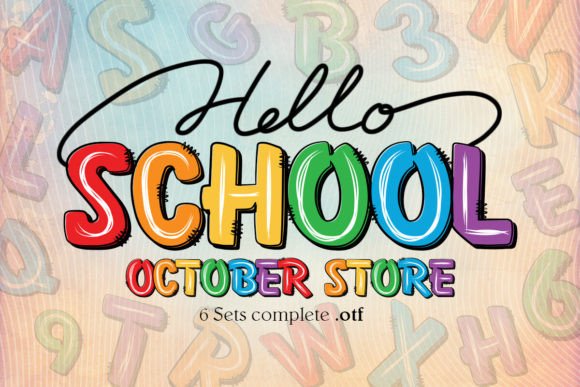
In the realm of digital typography, specific typefaces are designed to evoke particular emotions or associations. The Hello School font is a distinct entry in this category, characterized by its playful aesthetic and vibrant color palette. Designed to mimic the energy and optimism associated with the academic environment, this typeface offers a unique visual language for creators working on educational materials. However, like any specialized design tool, it presents specific advantages and limitations that users must weigh before integrating it into their projects.
Understanding the Design Philosophy
The Hello School font is constructed around the concept of "school spirit." Its letterforms are not merely functional; they are expressive, intended to capture the vivacious nature of a classroom setting. The design process appears to prioritize character and whimsy over strict geometric uniformity, resulting in a look that feels hand-crafted and approachable. This style is particularly effective at humanizing digital content, making text feel less rigid and more inviting.
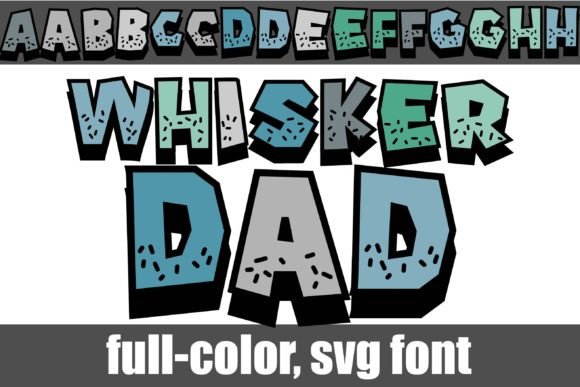
A defining feature of this typeface is its availability in an assorted mix of six vibrant colors. Unlike standard monochrome fonts that require post-processing to add color, Hello School integrates these hues directly into the glyphs. This characteristic transforms the font from a simple text element into a graphic asset, allowing designers to create visually dynamic compositions without relying heavily on external image editing software. The precision noted in its creation suggests that despite its playful appearance, the kerning and spacing have been considered to ensure readability within its specific stylistic constraints.
Key Benefits for Educational Projects
For professionals and educators creating materials for younger audiences, the primary benefit of Hello School is its immediate thematic resonance. When a viewer sees the font, the association with learning and school is instantaneous. This can be a powerful tool for engagement, particularly in:
- K-12 Educational Materials: Worksheets, flashcards, and classroom decorations often benefit from a cheerful aesthetic that reduces the intimidation factor of learning.
- Event Invitations: Back-to-school nights, graduation parties, or school fundraisers can utilize the font to set a celebratory tone immediately.
- Branding for Tutoring Centers: Small businesses focused on early childhood education may find the font helps establish a friendly and accessible brand identity.
The built-in color variety also streamlines the design workflow. For users who lack advanced graphic design skills, having pre-colored options allows for quick assembly of colorful headers and titles. This versatility makes it a practical choice for teachers and parents who need to produce high-quality visuals quickly without extensive training in design software.
Tradeoffs and Limitations
While the Hello School font excels in specific contexts, it is not a universal solution. The very features that make it distinctive also limit its applicability in broader design scenarios. The most significant tradeoff is legibility at small sizes. Playful, decorative fonts often suffer when scaled down, as intricate details and irregular shapes can blur together. Consequently, this typeface is best reserved for headlines, logos, and large display text rather than body copy.
Furthermore, the fixed color palette, while convenient, can present challenges in projects requiring strict adherence to a specific corporate color scheme or accessibility standards. If a project requires precise Pantone matching or specific contrast ratios for readability compliance, the pre-set colors of Hello School may not align perfectly, necessitating workarounds or recoloring which might alter the font's intended look.
Another consideration is the risk of visual fatigue. Because the font is so energetic and "loud," using it excessively can overwhelm a layout. In professional or formal educational settings, such as university publications or administrative documents, the whimsical nature of Hello School may undermine the perceived seriousness of the content.
Situations Where Alternatives Are Preferable
There are several scenarios where selecting a different typeface would be a more strategic decision. If the target audience includes older students, adults, or professional stakeholders, a more neutral sans-serif or serif font is likely to convey authority and clarity better. For example, a high school science journal or a college admissions brochure should prioritize readability and professionalism over thematic playfulness.
Additionally, if the project involves multi-language support or complex typographic requirements, Hello School may fall short. Specialized display fonts often have limited character sets compared to comprehensive font families. If a design requires diacritics, special symbols, or extensive language support, a standard font family with multiple weights and styles would be a safer and more flexible choice.
Finally, for projects requiring long-form reading, the decorative nature of Hello School can hinder comprehension. Research consistently shows that highly stylized fonts increase cognitive load, making it harder for readers to process information quickly. In cases where the primary goal is information retention through reading, a clean, utilitarian font is superior.
Decision-Making Insights
When evaluating whether Hello School aligns with your goals, consider the following practical questions:
- Who is the primary audience? If the audience is young children (ages 4–10), the font is likely a strong fit. If the audience is older, reconsider the level of formality required.
- What is the hierarchy of the text? Reserve Hello School for titles and headings. Ensure you have a complementary, readable font available for paragraphs and detailed instructions.
- Does the color palette match the brand? Evaluate if the six vibrant colors offered integrate well with your existing design system or if they will clash with other elements.
- Is the context appropriate? Avoid using the font in situations where credibility and seriousness are paramount, such as legal notices or financial reports related to school funding.
Ultimately, the Hello School font is a specialized tool designed to inject joy and energy into school-themed designs. It succeeds when used intentionally to highlight key messages in a fun, engaging way. However, its effectiveness relies heavily on restraint and context. By understanding its strengths in visual appeal and its weaknesses in versatility and legibility, designers can make informed decisions about its inclusion in their creative toolkit. For those seeking to embody the love for learning in a visual format, it offers a compelling option, provided it is balanced with more functional typography for the rest of the content.