Forest Night: A Blackletter Font Evaluation
In the realm of digital typography, few styles evoke a specific atmosphere as effectively as blackletter. Among the various options available for musicians and designers seeking a dark aesthetic, Forest Night has emerged as a notable choice. This font is designed to replicate the intricate, jagged lines of traditional gothic script while offering the versatility required for modern branding applications. Whether you are establishing a visual identity for a metal band or creating a logo for a niche brand, understanding the capabilities and limitations of Forest Night is essential before integrating it into your workflow.
What Is Forest Night?
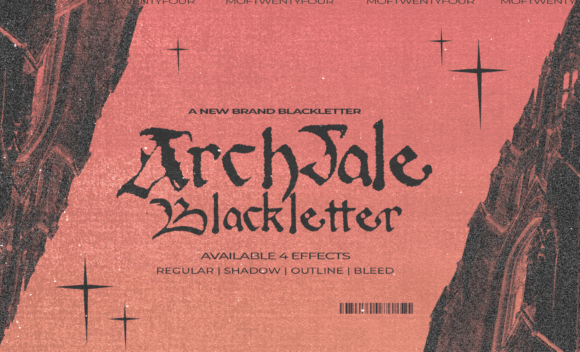
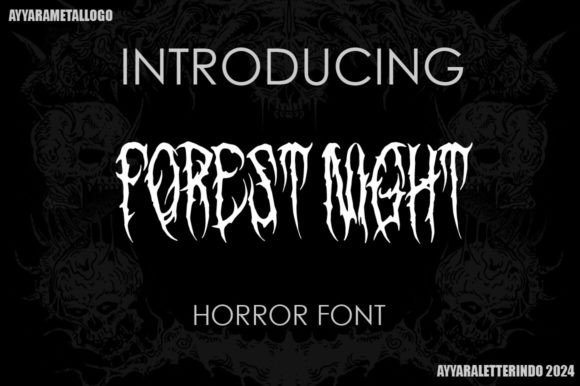
Forest Night is a typeface categorized within the blackletter family, characterized by its heavy strokes, sharp angles, and vertical emphasis. Unlike standard serif or sans-serif fonts, which prioritize legibility at small sizes, Forest Night prioritizes stylistic impact and thematic resonance. It is engineered to mimic the look of hand-carved wood or ink on parchment, making it particularly suited for genres like black metal, death metal, and doom metal.
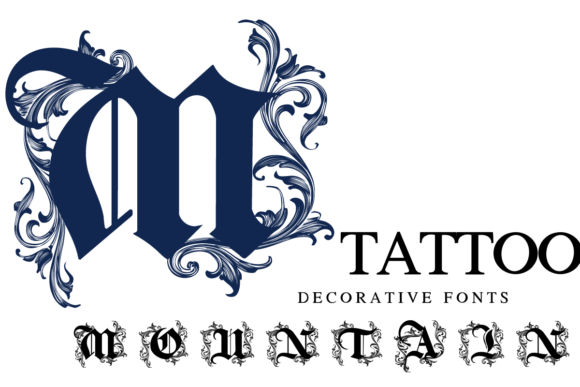
The font includes a comprehensive set of characters, including uppercase and lowercase letters, numerals, and punctuation marks. A defining feature of Forest Night is its compatibility with decorative elements. It is often distributed alongside or intended to be paired with ornamental graphics such as skulls, thorns, and abstract symbols common in extreme metal aesthetics. This integration allows users to construct complex logos without needing advanced vector illustration software.
Why Consider Forest Night for Your Project?
The primary reason designers and band members turn to Forest Night is its ability to communicate genre conventions instantly. In the music industry, particularly within subgenres of heavy metal, visual language is just as critical as audio production. A logo that utilizes a blackletter style signals to the audience that the content aligns with specific cultural expectations of darkness, aggression, and tradition.
For independent artists, Forest Night offers a practical solution for rapid prototyping. Creating a professional-grade logo from scratch requires significant time and design expertise. By using a pre-made font like Forest Night, creators can generate a cohesive visual identity quickly. The font's structure supports the creation of interlocking letterforms, a common technique in metal logos where letters merge to form a singular, unreadable symbol that functions as an icon rather than text.
Furthermore, the font's versatility extends beyond band names. It is applicable to album covers, merchandise designs, and event posters. The high contrast between the thick and thin strokes creates a dramatic effect that stands out even when scaled down for social media avatars or printed on t-shirts.
Benefits and Tradeoffs
Evaluating Forest Night requires a balanced view of its advantages against potential drawbacks. The most significant benefit is the immediate aesthetic alignment it provides. Users do not need to spend hours sketching concepts; the font delivers a finished look upon installation. Additionally, the inclusion of ligatures and alternate glyphs allows for customization, enabling designers to tweak the logo to ensure uniqueness.
However, there are tradeoffs to consider. The primary limitation of any blackletter font, including Forest Night, is legibility. While this may be desirable for a stylized logo, it renders the font unsuitable for body text or long-form reading. Using Forest Night for lyrics, liner notes, or website navigation will likely result in a poor user experience. The intricate details can also become muddy when printed at very small sizes or viewed on low-resolution screens.
Another consideration is originality. Because blackletter fonts are popular within the metal community, there is a risk of visual homogenization. Many bands utilize similar typefaces, which can make it difficult for a new artist to distinguish their brand. To mitigate this, users must rely on creative arrangement, kerning adjustments, and the addition of custom ornaments rather than relying solely on the default appearance of the font.
Ideal Use Cases
Forest Night is a strong fit for specific scenarios where atmospheric impact outweighs the need for strict readability. It is ideally suited for:
- Band Logos: Creating the main wordmark for black metal, death metal, or folk metal acts.
- Album Artwork: Displaying titles on cover art where the text serves as a graphic element.
- Merchandise Branding: Designing graphics for t-shirts, patches, and stickers where the visual "cool factor" is paramount.
- Gothic Branding: Establishing identities for brands related to horror, occult themes, or historical reenactment groups.
In these contexts, the font's aggressive geometry and dense weight enhance the overall message. When combined with black metal or death metal ornaments, Forest Night facilitates the creation of a complete visual system that feels authentic to the genre.
When to Consider Alternatives
Despite its strengths, Forest Night is not a universal solution. There are situations where selecting a different typeface would be more prudent. If the project requires clear communication of information, such as tour dates, ticket prices, or detailed descriptions, a standard serif or sans-serif font should be used instead. Legibility must always take precedence over style in informational contexts.
Additionally, if a band aims for a sound that deviates from traditional metal tropes—such as progressive metal, post-metal, or experimental rock—the heavy-handedness of a blackletter font might feel incongruous. In these cases, a cleaner, more modern typeface might better reflect the musical complexity and innovation of the group.
Designers should also consider alternatives if they require extensive typographic flexibility across multiple languages or scripts. While Forest Night covers standard Latin characters, it may lack the support needed for international audiences or specialized linguistic requirements. Furthermore, if the goal is to create a highly unique, one-of-a-kind logo that cannot be replicated by others, commissioning a custom-drawn lettering piece might yield better long-term results than using a downloadable font.
Practical Decision-Making Insights
To determine if Forest Night aligns with your goals, begin by defining the primary function of your text. If the text is meant to be read quickly and easily, this font is likely the wrong choice. If the text is meant to be felt, recognized as a symbol, and associated with a specific mood, then Forest Night is a viable option.
Before finalizing a design, test the font in various environments. Print a mock-up of the logo on a t-shirt to see how the details hold up on fabric. View the design on a mobile screen to ensure it remains recognizable at small scales. Experiment with combining the font with other graphical elements to see if the composition feels balanced or cluttered.
Ultimately, the decision to use Forest Night should be driven by the desire to establish a specific cultural connection. It is a tool for evoking a sense of history and intensity, but it requires careful application to avoid cliché. By understanding its strengths and limitations, creators can leverage Forest Night to build a compelling and appropriate visual identity for their metal projects or dark-themed brands.