Salsabilla Calligraphy: Elevating Your Design with Modern Elegance
In the crowded landscape of digital typography, finding a font that balances professionalism with genuine personality is often a struggle. Many designers and small business owners settle for generic scripts that lack character or overly ornate typefaces that sacrifice readability. This is where Salsabilla Calligraphy steps in as a compelling solution. It is not merely a collection of letters; it is a modern calligraphy design crafted to bring a human touch to digital projects. With its casual yet beautiful aesthetic and distinctive swashes, this font offers a unique voice for brands, creatives, and individuals looking to make a memorable impression.
However, even the most versatile typeface can fall flat if applied without understanding its nuances. Choosing the right font is only half the battle; knowing how to wield it effectively is what separates amateur work from polished, professional results. Whether you are designing wedding invitations, crafting product packaging, or building a brand identity, avoiding common pitfalls with Salsabilla Calligraphy ensures your vision is communicated clearly and beautifully.
Understanding the Character of Salsabilla Calligraphy
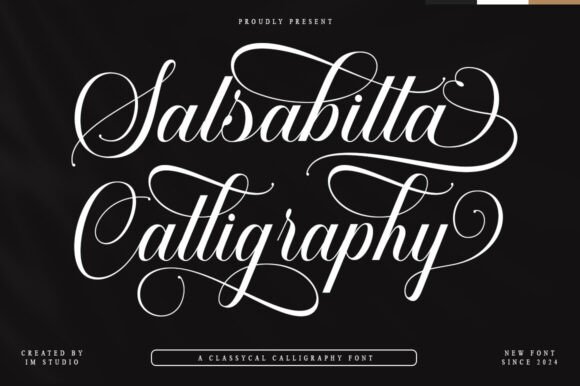
Salsabilla Calligraphy belongs to the family of modern calligraphy, a style that merges traditional brush lettering techniques with contemporary digital needs. Unlike rigid, formal scripts, this font embraces a casual flow that feels handwritten yet refined. The inclusion of swashes—those elegant, extended flourishes on certain characters—adds a dynamic element that can guide the eye and add sophistication to headlines and logos.
The "Regular" weight of the font is particularly noteworthy. It provides enough stroke contrast to look artistic without becoming difficult to read at smaller sizes. This versatility makes it suitable for a wide array of applications, from book covers and posters to labels and signatures. Yet, because it mimics the fluidity of a hand-drawn piece, it requires a slightly different approach than standard sans-serif or serif fonts. Understanding its inherent rhythm is crucial before you commit to using it for a major project.
Common Mistakes That Undermine Your Design
One of the most frequent errors I see when people first encounter Salsabilla Calligraphy is treating it like a body text font. While its Regular weight is legible, the varying stroke widths and decorative swashes can cause eye strain if used for long paragraphs. When readers have to work too hard to decipher the text, they disengage. This mistake directly impacts communication efficiency and can make a website or brochure feel cluttered and unprofessional.
Another overlooked detail involves the misuse of swashes. The beauty of this font lies in those flourishes, but applying them indiscriminately creates visual chaos. For instance, placing two characters with large swashes next to each other in a logo can result in overlapping lines that obscure the message. Instead of enhancing the design, these collisions create confusion and reduce the overall quality of the presentation.
Furthermore, many users download the font and immediately apply it to every element of their project without considering hierarchy. If your headline, subhead, and captions all use Salsabilla Calligraphy, the design loses its structure. Without clear visual distinction between elements, the audience doesn't know where to look first, leading to a disjointed user experience. This lack of hierarchy often forces creators to spend extra time and money fixing layouts that could have been avoided with better initial planning.
How to Avoid These Pitfalls
To get the best results, treat Salsabilla Calligraphy as an accent rather than a foundation. Reserve it for headlines, short quotes, names, and key branding elements where its personality shines. Pair it with a clean, neutral sans-serif or slab-serif font for body copy. This combination allows the script to stand out while ensuring the rest of your content remains highly readable.
When working with swashes, take the time to adjust kerning—the space between letters. In modern calligraphy designs, automatic spacing often isn't enough. Manually tweaking the distance between characters ensures that swashes complement rather than clash with neighboring letters. A little patience here goes a long way in achieving a polished look.
Additionally, always test your design in the context where it will be seen. A font that looks stunning on a high-resolution monitor might appear muddy on a mobile screen or a small product label. Check how Salsabilla Calligraphy scales down. If the details get lost, consider simplifying the text or choosing a bolder weight if available, though the Regular version is generally robust for medium-sized applications.
Practical Applications and Strategic Choices
The versatility of Salsabilla Calligraphy makes it a strong contender for various creative endeavors, provided it is used strategically. For wedding invitations, its casual elegance sets a warm, inviting tone that feels personal without being overly formal. It works exceptionally well for the couple's names or the event title, creating an emotional connection before the guest even reads the details.
In the realm of product packaging and branding, this font can convey artisanal quality. Think of boutique coffee shops, handmade soaps, or local bakeries. Using Salsabilla Calligraphy for the logo or label suggests craftsmanship and care. However, ensure the color contrast is sufficient; light gray script on a white background is a recipe for poor visibility. Opt for high-contrast pairings to maintain clarity and impact.
For signage and posters, the font's ability to draw attention makes it ideal for headlines. Imagine a cafe menu board or a promotional poster for an art exhibition. The swashes can act as visual anchors, guiding the viewer's eye through the layout. Just remember to keep the text concise. Long sentences in a script font on a sign often lead to frustration for passersby trying to read it quickly.
Evaluating Before You Commit
Before downloading or purchasing Salsabilla Calligraphy, it is essential to evaluate its compatibility with your specific project goals. Ask yourself: Does this font align with the brand voice I am trying to establish? If you are running a corporate law firm, a casual script might undermine your authority. Conversely, for a lifestyle blog or a creative agency, it could be the perfect fit.
Also, check the licensing terms carefully. Some free versions may restrict commercial use, which can lead to legal complications if you plan to use the font for client work or product sales. Ensure you have the rights to use the font for logos, book covers, and other commercial applications. Investing in the correct license upfront saves significant headaches and potential costs down the line.
Finally, consider the longevity of the trend. While modern calligraphy remains popular, fads come and go. Choose a font that feels timeless enough to serve your brand for years. Salsabilla Calligraphy strikes a good balance with its classic roots and modern execution, making it a safe bet for long-term branding strategies.
By approaching Salsabilla Calligraphy with intention and awareness, you unlock its full potential. Avoid the trap of overuse, respect its structural quirks, and pair it wisely. When done correctly, this font transforms simple text into an engaging visual experience, helping your message resonate with clarity and style.