Rosie Scarlet: Elevating Design with Timeless Script Elegance
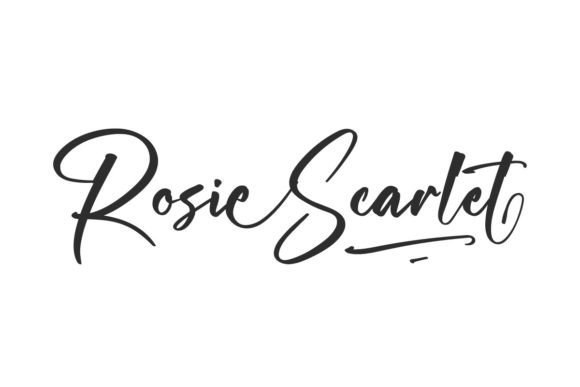
In the crowded landscape of digital typography, finding a typeface that balances nostalgia with contemporary flair is a rare achievement. Rosie Scarlet stands out as a distinctive classic script font that exudes elegance without feeling outdated. It is not merely a decorative element; it is a strategic design choice for those who understand the power of visual communication. When examined carefully, this font combines two distinct looks—vintage and modern—which gives it its unique charm. This duality allows it to seamlessly integrate into a wide array of projects, from brand logos and business cards to website titles and personal stationery.
However, the allure of a beautiful script font often leads creators to overlook critical implementation details. A font like Rosie Scarlet can transform a mediocre concept into a premium brand identity, but only if used correctly. Misapplication can result in designs that feel cluttered, illegible, or tonally inconsistent. Understanding how to leverage this typeface effectively requires more than just downloading the file; it demands an appreciation for spacing, context, and audience perception.
The Unique Appeal of a Hybrid Script
What makes Rosie Scarlet particularly interesting to designers, entrepreneurs, and hobbyists alike is its ability to bridge eras. Many script fonts lean too heavily into the ornate, making them difficult to read on screens, or they are so simplified that they lose their character. Rosie Scarlet avoids these pitfalls by blending the fluidity of vintage calligraphy with the clean lines required for modern readability.
This hybrid nature is why it is a favorite for branding. A logo needs to be memorable yet functional. A wedding invitation needs to feel romantic but clear. A blog header needs to grab attention without distracting from the content. By combining vintage warmth with modern structure, Rosie Scarlet offers versatility that rigid serif or sans-serif fonts often lack. It adds a human touch to digital interfaces, making brands feel more approachable and sophisticated simultaneously.
Common Pitfalls When Choosing Script Fonts
Despite its strengths, there are several common mistakes that users make when selecting and applying Rosie Scarlet. These errors often stem from a lack of experience with script typography or a misunderstanding of the font's intended use cases. Recognizing these issues early can save time, money, and reputational damage.
Mistake 1: Ignoring Legibility at Small Sizes
One of the most frequent errors is assuming that because a font looks beautiful in a large preview, it will work everywhere. Script fonts, including Rosie Scarlet, rely on fine strokes and intricate loops. When scaled down for a business card footer, a mobile app icon, or a social media profile picture, these details can vanish or blur together.
The Consequence: If your audience cannot read your name, tagline, or contact information instantly, the design has failed its primary function. Poor legibility creates friction, causing potential customers to disengage before they even understand what you offer.
Better Approach: Always test your design at actual size before finalizing. Print a mockup of your business card or view your website on a mobile device. If the letters merge or the ascenders and descenders look muddy, consider switching to a simpler weight of the font or pairing it with a highly readable sans-serif for body text.
Mistake 2: Overusing the Font for Body Copy
Another significant oversight is using Rosie Scarlet for long paragraphs of text. While the font is elegant, reading a full article or a product description in a flowing script can be exhausting for the eyes. The brain works harder to decode cursive characters compared to standard block letters.
The Consequence: High cognitive load leads to reader fatigue. Users may skip important information or leave your site entirely because the content feels difficult to consume. This directly impacts user retention and conversion rates.
Better Approach: Reserve Rosie Scarlet for headlines, titles, quotes, and short calls to action. Use it to draw the eye, not to hold it for long periods. Pair it with a neutral, clean sans-serif or slab serif for all body copy. This contrast creates a hierarchy that guides the reader naturally through your content while maintaining the elegant aesthetic you desire.
Mistake 3: Neglecting Kerning and Spacing
Script fonts are sensitive to letter spacing. Unlike geometric fonts where uniform spacing works well, script fonts require careful kerning to ensure that connecting letters flow naturally. Many beginners simply apply the default settings provided by their design software, which often results in awkward gaps or overlapping letters that ruin the illusion of handwriting.
The Consequence: Poor kerning makes the text look amateurish and broken. It undermines the "premium" feel that Rosie Scarlet is designed to convey, making a professional brand appear careless.
Better Approach: Take the time to manually adjust the spacing between key letters. Look for connections that feel stiff or collisions that obscure the shape of the characters. In tools like Adobe Illustrator or Canva, zoom in closely and tweak the tracking until the rhythm of the text feels organic and fluid.
Evaluating Your Decision Before You Commit
Before purchasing or downloading Rosie Scarlet for a major project, it is essential to evaluate whether it truly fits your specific needs. Not every brand benefits from a script font, regardless of how beautiful it is.
- Check Your Brand Voice: Does your brand communicate luxury, creativity, or tradition? If your brand is about industrial strength, speed, or strict minimalism, a script font might send mixed signals.
- Consider the Medium: Will this design primarily live on high-resolution screens, printed paper, or embroidered fabric? Script fonts behave differently across textures and resolutions.
- Review the License: Ensure you are purchasing the correct license for your usage. Using a font for a commercial logo often requires a different license than using it for a personal blog. Ignoring licensing terms can lead to legal complications later.
Practical Applications for Maximum Impact
When applied with intention, Rosie Scarlet becomes a powerful asset in a designer's toolkit. Here are realistic examples of how to use it effectively to enhance your projects:
- Brand Logos: Use the font for the main wordmark of a boutique, bakery, or fashion line. Keep the supporting text (like "Est. 2024") in a simple serif to balance the complexity.
- Event Invitations: For weddings or galas, use Rosie Scarlet for the names of the couple and the event title. This immediately sets a tone of celebration and formality.
- Website Headers: Apply the font to the H1 tags of landing pages. This grabs attention and establishes personality before the user scrolls to the detailed content.
- Packaging Labels: On cosmetic or food products, a small application of the font on a label can suggest artisanal quality and care.
Ultimately, the goal is to let the font serve the message, not overshadow it. By avoiding common traps like poor scaling and excessive usage, you ensure that Rosie Scarlet enhances your design rather than hindering it. Whether you are a freelancer creating a portfolio or a small business owner launching a new product, taking a measured, thoughtful approach to typography will always yield better results than rushing to apply the trendiest font available.
Remember, great design is about clarity and connection. Rosie Scarlet offers the elegance to captivate, but it is your skillful application that ensures your message is understood and remembered. Choose wisely, test thoroughly, and let the blend of vintage charm and modern utility elevate your creative work.