Evaluating Babyface: A Practical Guide to a Stylish Script Font
In the crowded landscape of digital typography, finding a typeface that balances legibility with genuine elegance is often a challenge. Babyface has emerged as a significant contender in this space, offering a script style that feels both modern and timeless. For designers, event planners, and business owners looking to add a handwritten touch to their projects, understanding the specific characteristics of Babyface is essential before integrating it into a brand identity or personal project. This guide explores what makes this font distinct, how it compares to other script options, and when it serves as the optimal choice for your design needs.
Defining the Aesthetic: What Makes Babyface Distinct
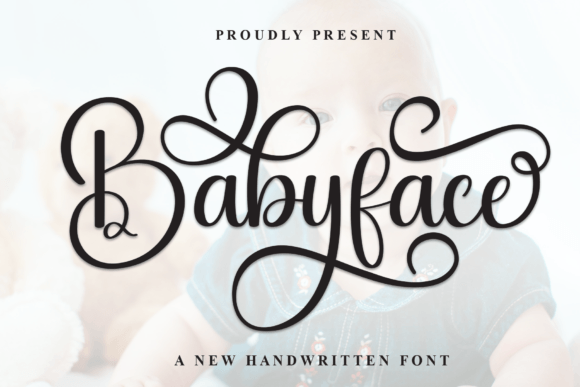
Babyface is not merely another cursive font; it is a carefully crafted script typeface designed to mimic the fluidity of natural handwriting while maintaining structural consistency. The defining characteristic of Babyface lies in its stroke weight variation and the graceful curvature of its letters. Unlike rigid calligraphy fonts that can appear stiff or overly formal, Babyface possesses a dynamic rhythm that suggests movement. This quality makes it particularly effective for designs requiring a sense of warmth and approachability without sacrificing sophistication.
The elegance of Babyface is derived from its balanced proportions. The ascenders and descenders are well-defined, ensuring that even at smaller sizes, the text remains readable. However, it is in larger applications where the font truly shines. The intricate details, such as the subtle flares on letter terminals and the smooth loops of characters like 'g' and 'y', contribute to its premium feel. When applied to wedding invitations or high-end greeting cards, Babyface provides a visual texture that printed serif or sans-serif fonts simply cannot replicate. It bridges the gap between casual note-taking and formal stationery, offering a versatile aesthetic that appeals to a broad demographic.
Comparing Babyface to Other Script Categories
To make an informed decision about using Babyface, it is helpful to compare it against other common categories within the script font family. Typography generally divides script fonts into two main camps: formal calligraphy and casual handwriting. Formal calligraphy fonts often feature dramatic contrast between thick and thin lines, mimicking copperplate or Spencerian styles. While these are undeniably beautiful, they can sometimes be difficult to read in long passages and may feel too heavy for modern branding.
In contrast, casual handwriting fonts often lack structure, appearing as if scrawled quickly with a marker. These are excellent for adding personality but can undermine professionalism if overused. Babyface occupies a unique middle ground. It offers the readability of a structured font with the organic charm of a casual hand. Compared to purely decorative scripts, Babyface is more functional. It allows for better kerning and spacing adjustments, making it suitable for headlines, logos, and short paragraphs where other scripts might become illegible.
When evaluating alternatives, consider the intended mood. If a project requires a vintage, antique feel, a gothic or blackletter script might be more appropriate. If the goal is a playful, youthful vibe, a bubbly or irregular script could work better. However, for projects demanding a blend of class and contemporary style—such as luxury branding or modern weddings—Babyface often outperforms these extremes by remaining neutral enough to fit various color palettes and design themes.
Strengths and Tradeoffs in Design Application
Every typeface comes with inherent strengths and limitations, and Babyface is no exception. Its primary strength is versatility. Because it maintains clarity even when scaled down, it works effectively on business cards and logos where space is limited. Furthermore, its elegant curves make it an ideal choice for creating custom quotes or monograms. The font's ability to convey emotion through its shape allows designers to set a tone of intimacy and care, which is crucial for thank you cards and personal correspondence.
However, there are tradeoffs to consider. Like most script fonts, Babyface is best suited for short bursts of text. Using it for body copy in a newsletter or a website article can lead to reader fatigue. The eye struggles to track long lines of connected letters, especially when the font features complex ligatures or flourishes. Therefore, the strategic use of Babyface involves pairing it with a clean, simple sans-serif or serif font for longer text blocks. This combination creates a hierarchy that guides the reader's attention while maintaining overall legibility.
Another consideration is the context of the medium. On digital screens, particularly mobile devices, the fine details of Babyface may not render as sharply as on high-resolution print. Designers must test the font at various pixel densities to ensure that the delicate strokes do not disappear or blur. In print, however, Babyface excels, especially on textured papers where the ink interacts with the surface to enhance the handwritten illusion.
Best-Fit Situations and Decision Factors
Determining whether Babyface is the right tool for a specific project requires a clear understanding of the project's goals and audience. It is an exceptional choice for wedding invitations, where the primary objective is to convey romance and formality. The font's name itself suggests a softness and innocence that aligns perfectly with nuptial themes. Similarly, for baby shower announcements or birth announcements, the gentle curves of the letters evoke a sense of tenderness and new beginnings.
For business applications, Babyface can elevate a brand's perceived value. A logo featuring Babyface suggests craftsmanship and attention to detail. This is particularly effective for industries such as boutique fashion, artisanal food and beverage, beauty salons, and interior design. In these sectors, the "handwritten" aspect implies a personal touch, distinguishing the brand from mass-market competitors. Business cards utilizing Babyface for names or titles can leave a lasting impression, signaling that the business owner values aesthetics and individuality.
Conversely, there are scenarios where Babyface may not be the optimal choice. Corporate environments that prioritize strict minimalism or industrial themes might find the font too ornamental. Legal documents, technical manuals, and educational materials require maximum legibility and neutrality, areas where standard sans-serif fonts remain superior. Additionally, if a brand identity relies heavily on bold, aggressive, or futuristic imagery, the soft elegance of Babyface could create a dissonant message.
Practical Examples of Effective Usage
Consider a scenario where a florist is designing a new line of greeting cards. By using Babyface for the "To" and "From" fields, along with a heartfelt quote on the front, the card immediately feels personal and curated. The font invites the recipient to slow down and appreciate the sentiment. In this case, the alternative—a standard block font—would feel impersonal and generic.
Another practical example is a startup coffee shop creating its logo. The owner wants to emphasize the "artisanal" nature of their beans. A logo incorporating Babyface for the shop name, paired with a sturdy serif font for the tagline "Roasted Daily," creates a balanced visual identity. The script element communicates the care put into the product, while the serif element grounds the brand in reliability. Without Babyface, the logo might lack the emotional hook necessary to attract customers seeking a premium experience.
Making the Final Decision
Selecting a font is rarely about finding the single "best" option, but rather the most appropriate one for the specific context. Babyface offers a compelling solution for those seeking a stylish, elegant script that enhances the perceived value of their design. Its ability to function across various mediums—from paper invitations to digital logos—makes it a valuable asset in any designer's toolkit. However, its effectiveness is contingent upon proper application. Understanding its limitations regarding body text and screen resolution is just as important as appreciating its aesthetic qualities.
Before committing to Babyface, it is advisable to create mockups of the intended final product. Test the font in different sizes, weights, and pairings to see how it behaves in real-world conditions. Compare it side-by-side with other script options to ensure it aligns with the desired tone. By approaching the selection process with a critical eye and a focus on the end-user experience, you can determine if Babyface is the perfect fit for your next creative endeavor. Ultimately, the goal is to choose a typeface that communicates your message clearly while adding the distinctive, handwritten touch that sets your work apart.