Evaluating the Baltimore Typewriter Pack for Design Projects
In the realm of digital typography, the pursuit of authenticity often leads designers back to historical aesthetics. The Baltimore Typewriter Pack represents a specific niche within this landscape, offering a vintage-inspired font collection designed to replicate the mechanical imperfections of mid-20th-century typewriters. For professionals and hobbyists alike, selecting the right typeface is a critical decision that influences readability, brand perception, and overall design cohesion. This article provides an objective evaluation of the Baltimore Typewriter Pack, examining its characteristics, ideal use cases, and potential limitations to assist in making an informed selection.
Understanding the Baltimore Typewriter Pack
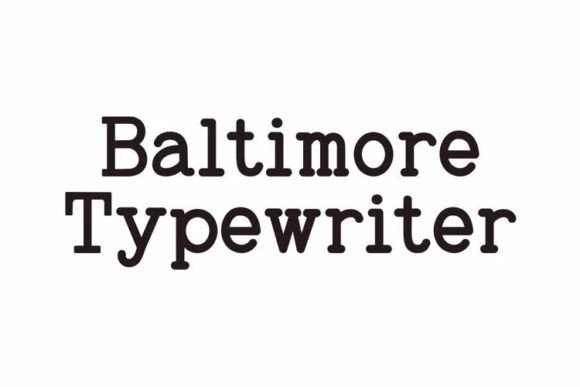
The Baltimore Typewriter Pack is not merely a single font but a curated collection of typefaces intended to simulate the output of manual typewriters. Unlike standard serif or sans-serif fonts that prioritize optical perfection, this pack embraces the inherent irregularities of mechanical printing. These include slight variations in ink density, uneven character alignment, and the characteristic "wear" found on old typebars. The collection aims to capture the nostalgic charm of typewritten text, providing a tool for designers who wish to inject retro flair into their work without physically operating antique machinery.
At its core, the pack serves as a digital bridge between modern design software and analog history. It allows users to generate text that appears as if it were struck onto paper decades ago. This includes authentic typewriter-style characters that vary in weight and positioning, creating a sense of texture and depth that clean, vector-based fonts often lack. For projects requiring a classic and timeless look, the Baltimore Typewriter Pack offers a ready-made solution that eliminates the need for complex post-processing effects to achieve a similar result.
Reasons to Consider a Vintage Typewriter Font
Designers might be drawn to the Baltimore Typewriter Pack for several strategic reasons. Primarily, it addresses a growing demand for nostalgia in visual communication. In a saturated digital environment, content that feels tactile and human can stand out more effectively than polished, corporate-standard designs. The perceived imperfection of typewriter fonts suggests authenticity, honesty, and a connection to a slower, more deliberate era of communication.
Furthermore, the aesthetic versatility of such a pack is significant. While rooted in a specific historical style, these fonts can be adapted to various contexts beyond strict period pieces. They are frequently used to evoke a sense of mystery, urgency, or raw creativity. Whether the goal is to create a poster that mimics a wanted notice, an invitation that feels like a personal letter from the past, or a branding element that signals artisanal quality, the Baltimore Typewriter Pack provides the necessary visual vocabulary. For those researching how to add a touch of retro flair to any design, this collection offers a streamlined approach to achieving that specific mood.
Benefits and Practical Advantages
The primary benefit of utilizing the Baltimore Typewriter Pack is efficiency combined with authenticity. Creating a realistic typewriter effect from scratch using modern sans-serif fonts requires significant manual intervention, such as applying noise filters, distorting kerning, and adjusting opacity to mimic ink bleed. By using a dedicated pack, designers save considerable time while ensuring a consistent level of detail across all characters.
Additionally, the pack typically includes a range of weights and styles, allowing for some hierarchy within the design. While typewriter fonts are inherently monospaced, the variations within the Baltimore Typewriter Pack can help distinguish headlines from body copy without abandoning the thematic consistency. This flexibility makes it a go-to choice for capturing the essence of old-school typewriters in modern designs where maintaining a unified visual language is paramount. The ability to scale these fonts for large-format prints, such as posters, without losing their characteristic texture is another practical advantage over lower-resolution alternatives.
Tradeoffs and Considerations
Despite its advantages, the Baltimore Typewriter Pack is not a universal solution. The most significant tradeoff involves readability. Because the font intentionally mimics mechanical errors, long blocks of text can become difficult to read, especially at smaller sizes or on low-quality screens. The uneven baseline and varying stroke widths, which contribute to the vintage feel, can strain the eyes when applied to paragraphs rather than short phrases.
Another consideration is the context of the message. A font that implies age and wear may inadvertently signal obsolescence or a lack of professionalism in certain industries. For example, in fields like finance, healthcare, or high-tech innovation, the rough edges of a typewriter font might clash with the desired image of precision and forward-thinking. Designers must weigh the desire for retro flair against the risk of undermining the credibility of the content. Additionally, licensing terms for font packs can vary; it is essential to verify whether the license covers commercial use, web embedding, or print-on-demand services before integrating the Baltimore Typewriter Pack into a client project.
Ideal Situations for Implementation
The Baltimore Typewriter Pack is a strong fit for specific scenarios where the narrative benefits from a historical or rustic tone. It excels in the creation of event invitations, particularly for weddings or gatherings that embrace a vintage theme. In these contexts, the font enhances the emotional resonance of the invitation, making it feel like a cherished artifact rather than a mass-produced flyer.
It is also highly effective for editorial design, such as magazine headers, blog titles, or book covers in genres like noir fiction, true crime, or memoirs. Here, the font sets the stage immediately, signaling to the reader that the content will explore themes of the past or gritty realism. Furthermore, packaging design for artisanal products—such as craft coffee, handmade soaps, or small-batch foods—can leverage the pack to communicate a "made by hand" ethos. In these situations, the font acts as a visual cue for quality and tradition, aligning perfectly with the product's value proposition.
When Alternatives May Be Worth Considering
There are clear situations where the Baltimore Typewriter Pack may not be the optimal choice. If the primary requirement is maximum legibility for extended reading, such as in legal documents, instructional manuals, or website body text, a clean sans-serif or a traditional serif font is superior. The intentional distortion of the typewriter style introduces friction for the reader that is unnecessary in functional documents.
Moreover, if the design goal is to convey futuristic, sleek, or minimalist aesthetics, the heavy texture of a typewriter font will likely detract from the message. In cases where the target audience is strictly young and digitally native, the association with older technology might not resonate as intended, potentially feeling dated rather than nostalgic. Designers should also consider the medium; if the final output will be a very small mobile screen, the intricate details of the Baltimore Typewriter Pack may blur or disappear, rendering the text illegible. In these instances, exploring alternative vintage fonts that offer cleaner lines or digital-native retro styles might yield better results.
Practical Decision-Making Insights
To determine whether the Baltimore Typewriter Pack aligns with your specific goals, begin by defining the primary emotion you wish to evoke. If the answer involves words like "authentic," "raw," "historical," or "nostalgic," the pack is likely a suitable candidate. However, if the priority is "clarity," "modernity," or "efficiency," other options should be prioritized.
Conduct a mock-up test before committing. Apply the font to a sample of your actual content, including both headlines and a paragraph of body text. Assess the readability at the intended size and distance. Does the texture enhance the message, or does it obscure it? Check the contrast against your background colors; typewriter fonts often require higher contrast to remain legible due to their lighter, worn appearance.
Finally, consider the longevity of the trend. While nostalgia is a powerful driver, specific vintage styles can cycle in and out of favor. Ensure that the Baltimore Typewriter Pack supports the broader brand strategy and is not just a fleeting stylistic choice. By balancing the aesthetic appeal of the pack with practical constraints regarding readability and context, designers can make a confident decision that elevates their project without compromising its effectiveness.