Gibs: A Serif Font for Timeless Branding
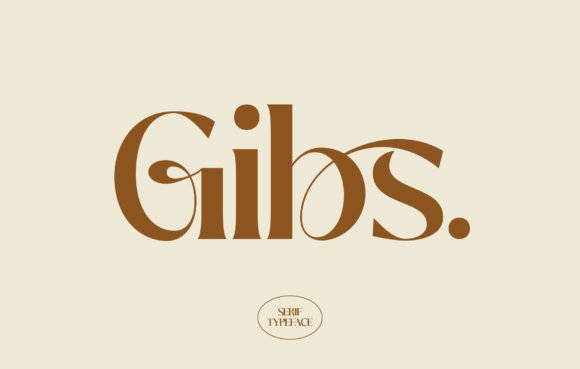
In the crowded landscape of digital typography, finding a typeface that balances heritage with contemporary appeal is a challenge. Gibs emerges as a solution to this dilemma, offering a stylish serif font that blends classic elegance with modern sophistication. It is not merely a decorative element; it is a structural tool designed to communicate authority, grace, and refined taste. For designers, marketers, and creators looking to elevate their visual identity, Gibs provides a foundation that feels both established and fresh.
The true power of Gibs lies in its ability to bridge the gap between traditional print aesthetics and the demands of modern screen readability. Its refined serifs are carefully crafted to guide the eye without creating visual clutter, while its well-proportioned letterforms ensure legibility across various sizes and resolutions. This duality makes it an exceptional choice for projects that require a sense of trustworthiness and high-end quality.
Understanding the Design Philosophy of Gibs
To use Gibs effectively, one must first understand what drives its design. Unlike many display serifs that sacrifice readability for style, Gibs prioritizes function alongside form. The character of the font comes from its stroke contrast and the specific geometry of its terminals. These elements work together to create a rhythm that is pleasing to the eye, whether viewed on a high-resolution monitor or printed on textured paper.
The "modern sophistication" mentioned in its description stems from its x-height and open apertures. These features prevent the text from feeling cramped or archaic, allowing it to breathe in digital environments. When you apply Gibs to a headline, it commands attention through presence rather than aggression. It suggests that the content behind it is thoughtful, curated, and valuable. This psychological impact is crucial for brands aiming to position themselves in the luxury or premium sectors.
Applications in Branding and Identity
For entrepreneurs and small business owners, branding is often the most critical investment. A logo or brand mark needs to endure trends and remain relevant for years. Gibs serves as an excellent anchor for such identities. Its timeless beauty ensures that a brand does not look dated after a few years of use.
- Luxury Goods: Imagine a boutique skincare line or a high-end jewelry brand. Gibs can be used for the primary logo, conveying exclusivity and care. Pair it with ample whitespace and minimal color palettes to let the typography shine.
- Professional Services: Law firms, architectural studios, and financial consultants benefit from the font's inherent stability. It communicates competence and reliability without needing to shout.
- Creative Agencies: Even for agencies focused on innovation, using a classic serif like Gibs can signal a deep understanding of design history. It shows confidence in foundational principles.
When adapting Gibs for branding, consistency is key. Ensure that the weight and spacing (kerning) remain uniform across all touchpoints, from business cards to website headers. This uniformity builds recognition and reinforces the professional image you wish to project.
Editorial Excellence and Long-Form Content
While branding captures attention, editorial work retains it. Publishers, bloggers, and content creators know that the readability of body text directly impacts engagement. Gibs excels here, particularly for articles that require a narrative flow or a sophisticated tone.
The well-proportioned letterforms reduce eye strain during long reading sessions. This makes it ideal for magazines, e-books, and feature articles on lifestyle, culture, or business. When setting paragraphs in Gibs, pay close attention to leading (line height). A slightly increased line height can enhance the airy, elegant feel of the font, making dense blocks of text appear more inviting.
Practical Tips for Editorial Layouts
- Pairing Strategies: While Gibs works beautifully on its own, pairing it with a clean, geometric sans-serif for subheadings can create a dynamic contrast. This combination highlights the structure of the content while maintaining a modern edge.
- Drop Caps: Use the initial capital letters of Gibs for drop caps in magazine-style layouts. The detailed serifs add a touch of old-world charm that frames the beginning of an article elegantly.
- Responsive Design: For digital publications, ensure Gibs scales correctly on mobile devices. Test the smallest readable size to guarantee that the delicate details of the serifs do not disappear on smaller screens.
Creative Possibilities for Freelancers and Hobbyists
Freelancers and hobbyists often need versatility in their toolkit. Whether you are designing wedding invitations, event posters, or personal portfolios, Gibs offers a range of creative possibilities. It allows you to experiment with hierarchy and texture without losing clarity.
Consider the context of your audience. If you are designing for a younger demographic interested in vintage aesthetics, Gibs can be paired with bold colors and retro imagery to create a "modern vintage" look. Conversely, for a corporate client, keep the application restrained and monochromatic. The font adapts to the mood you set around it.
One effective approach is to use Gibs for pull quotes within a larger document. By isolating a key sentence in a larger point size, you create a visual break that adds interest and emphasizes important insights. This technique works particularly well in annual reports, case studies, and educational materials where information density is high.
Maintaining Clarity and Consistency
Even the most beautiful font can fail if applied poorly. To keep results clear, effective, and organized, adhere to strict typographic rules when working with Gibs. Avoid overusing italics or bold weights unless necessary for emphasis. The natural contrast in the font is already strong; adding too much weight can make the text look heavy and unbalanced.
Consistency extends beyond just the font choice. It involves how you treat the space around the letters. Tracking (letter-spacing) should be adjusted based on the size of the text. Headlines often benefit from tighter tracking to create a solid block of color, while body text requires standard or slightly looser tracking for optimal readability.
Furthermore, consider the background against which Gibs will sit. High contrast is generally best for legibility. White text on a dark background or black text on white paper works well. However, avoid placing Gibs on busy patterns or low-contrast backgrounds, as the fine details of the serifs may get lost, undermining the font's sophisticated nature.
Adapting Gibs for Different Platforms
The digital ecosystem is diverse, and your typography must perform well across various platforms. On social media, where images are often consumed quickly, Gibs can be used in overlay text on graphics to convey a premium message. In email marketing, the font's readability ensures that your newsletters are engaging even in plain-text formats if the web fonts fail to load.
For video content, Gibs can serve as an elegant title card font. Its static nature contrasts nicely with motion, providing a stable anchor for viewers. Whether you are a YouTuber reviewing luxury products or a marketer creating promotional videos, the font adds a layer of polish that elevates the production value.
Ultimately, Gibs is more than just a set of characters; it is a vehicle for storytelling. It invites the viewer to slow down and appreciate the content. By understanding its strengths and applying it with intention, you can create designs that resonate deeply with your audience. Whether you are building a global brand or crafting a personal project, the timeless beauty and grace of Gibs provide a reliable path to excellence.