Fashionable: A Strategic Guide to Typography for Brand Elegance
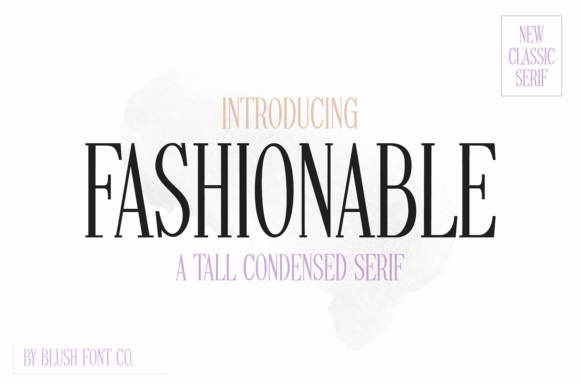
In the crowded digital landscape, visual differentiation is not merely an aesthetic choice; it is a critical component of strategic positioning. Fashionable, a tall, skinny serif font characterized by its cute, stylish, and feminine attributes, offers a specific solution for brands seeking to inject elegance into their visual identity. However, the strategic value of any typeface lies not in its inherent beauty, but in how effectively it communicates your brand's core message and supports your long-term business goals. Understanding Fashionable requires moving beyond surface-level appreciation to analyze its functional application in marketing materials, branding operations, and customer experience design.
The Strategic Anatomy of Fashionable
To utilize Fashionable effectively, one must first understand its typographic DNA. As a tall and skinny serif, this font occupies vertical space efficiently while maintaining high legibility at larger sizes. The serifs—those small decorative strokes at the ends of letters—provide a sense of tradition and refinement, while the narrow x-height creates an impression of sophistication and exclusivity. The description of the font as "cute" and "feminine" suggests a specific emotional resonance, making it particularly potent for industries where approachability and style intersect.
From a decision-making perspective, selecting Fashionable signals a deliberate move away from utilitarian sans-serifs or heavy block fonts. It tells your audience that your brand values detail, grace, and a curated aesthetic. For entrepreneurs and marketers targeting demographics aged 20 to 50, particularly those interested in lifestyle, wellness, fashion, or creative services, this font can serve as a powerful psychological trigger. It aligns with consumer expectations for brands that prioritize quality and personal touch over mass production.
Defining the Brand Position
When planning your visual identity, consider where Fashionable fits within your broader brand architecture. Is your brand a disruptor aiming for boldness, or a curator aiming for refinement? If the latter, this typeface becomes a foundational element of your strategy. Its tall structure allows for elegant headlines that draw the eye upward, suggesting aspiration. In contrast, its stylistic nuances make it ideal for subheadings that require a softer, more inviting tone than standard corporate fonts provide.
Strategic use involves recognizing that Fashionable is not a universal solver. It is a specialized tool. Just as a surgeon selects a scalpel for precision rather than a hammer, a designer should deploy this font where its specific characteristics enhance the message. For instance, a luxury boutique might use it for logo lockups to convey exclusivity, while a corporate law firm would likely find it incongruent with their need for authority and stability. The key is alignment between the font's personality and the brand's strategic objectives.
Operationalizing Elegance in Marketing Materials
Once the strategic fit is established, the focus shifts to execution. How does Fashionable perform across various operational channels? Its versatility allows for impactful applications in both print and digital media, provided the context is managed correctly.
- Brand Identity Systems: Use Fashionable as a primary display font for logos and letterheads. Its distinct silhouette ensures immediate recognition, helping to build a cohesive brand image across all touchpoints.
- Social Media Graphics: In the fast-scrolling environment of social platforms, headlines need to stop the scroll. The unique proportions of this font create visual interest that stands out against generic templates, increasing engagement rates for posts related to product launches or event invitations.
- Packaging Design: For physical products, typography on packaging acts as a silent salesperson. The elegant nature of Fashionable can elevate perceived value, justifying premium pricing strategies for goods in the beauty, confectionery, or gift sectors.
- Digital Headers: On websites, using this font for H1 and H2 tags can guide user attention and establish a sophisticated hierarchy. However, care must be taken regarding line length and screen resolution to maintain readability.
For freelancers and creators, integrating Fashionable into client deliverables demonstrates an understanding of nuanced design trends. It shows that you are not simply filling space with text but are curating an experience. This level of thoughtfulness often translates into higher client retention and referrals, as clients perceive the work as tailored and professional.
Enhancing Customer Experience Through Typography
The customer journey is heavily influenced by micro-interactions, including how information is presented. When a customer reads a welcome email or views a landing page, the font choice subtly influences their perception of the brand's reliability and warmth. Fashionable, with its feminine and stylish cues, can soften the transactional nature of business communications. It transforms a standard notification into a personalized note, fostering a deeper emotional connection.
However, this enhancement relies on consistency. If a brand uses Fashionable on its website but switches to a stark, industrial font in its emails, the disconnect creates cognitive dissonance. Strategic planning requires a style guide that dictates exactly when and where this font appears. Consistency builds trust, and trust is the currency of long-term business relationships.
Risks and Considerations in Deployment
While Fashionable offers significant advantages, blind adoption without clear goals poses risks. The most common pitfall is misalignment with the target audience. A font described as "cute" may undermine the credibility of a brand trying to project serious financial expertise or technical authority. Decision-makers must evaluate whether the "feminine" and "stylish" descriptors resonate with their specific market segment or if they inadvertently alienate potential customers who prefer a more neutral or masculine aesthetic.
Another critical consideration is legibility. Tall, skinny fonts can suffer from reduced readability at small sizes or on low-resolution screens. If Fashionable is used for body copy rather than headlines, it may frustrate users and increase bounce rates. From an operational standpoint, this means limiting its use to display purposes and pairing it with a highly readable sans-serif or slab serif for paragraphs. Ignoring this balance can lead to poor user experience (UX) outcomes, negating the aesthetic benefits.
Avoiding Trend Fatigue
Typography trends fluctuate. What feels fresh and stylish today may feel dated in five years. Relying too heavily on a font defined by current trends like "cute" or "skinny" can shorten the lifespan of a brand identity. Strategic longevity requires balancing trendiness with timelessness. Fashionable should be viewed as a seasonal accent or a defining characteristic of a specific campaign rather than the sole pillar of a permanent brand identity, unless the brand itself is built on the concept of constant reinvention.
Furthermore, overuse dilutes impact. If every headline, button, and caption utilizes the same distinctive font, the visual hierarchy collapses. The eye loses its anchor points. Effective planning involves restraint. Use Fashionable sparingly to highlight key messages, ensuring that when it appears, it commands attention and delivers maximum strategic value.
Implementation Roadmap for Professionals
For professionals looking to integrate Fashionable into their workflow, a structured approach yields better results than ad-hoc experimentation. Begin by auditing your current visual assets. Identify areas where the brand voice feels flat or generic. These are the prime candidates for injection of elegance.
- Define the Objective: Determine what you want the font to achieve. Is it to increase perceived luxury? To appeal to a younger demographic? To differentiate from competitors?
- Test Contextual Fit: Create mockups of your key materials—business cards, website headers, social banners—using the font. Evaluate how it interacts with your color palette and imagery.
- Establish Pairing Rules: Select a complementary font for body text. Ensure there is sufficient contrast in weight and style to maintain clarity.
- Monitor Performance: If used in digital campaigns, track metrics such as click-through rates and time on page. Does the new typography improve engagement?
- Iterate Based on Feedback: Gather input from stakeholders and customers. Is the "feminine" tone landing as intended? Adjust usage based on real-world reception.
This methodical process ensures that Fashionable serves a purpose beyond decoration. It becomes a calculated asset in your marketing mix, contributing directly to brand equity and customer acquisition.
Long-Term Value and Brand Evolution
Ultimately, the success of using Fashionable depends on its ability to support your brand's evolution. As businesses grow, their visual identity must mature alongside them. A font that works perfectly for a startup blog might need adjustment as the company scales into a full-service agency. The flexibility of Fashionable allows for this growth, provided it is managed with foresight.
By treating typography as a strategic lever rather than a cosmetic afterthought, you empower your brand to communicate more effectively. The tall, skinny serifs of Fashionable offer a unique opportunity to stand out in a sea of uniformity. They signal confidence, creativity, and a commitment to quality. When deployed with intention, this font does more than look good; it helps you think clearly about who you are, who you serve, and how you wish to be perceived in the marketplace. In the end, the most fashionable decision you can make is one that aligns aesthetics with actionable business results.