Understanding the Utility of Baby Alphabet in Design
In the realm of graphic design, typography serves as more than a vessel for text; it establishes tone, communicates emotion, and defines brand identity. When targeting demographics related to early childhood, parenting, or family-oriented services, the choice of typeface becomes critical. The Baby Alphabet represents a specific category of typographic assets designed to meet these needs. It is not merely a decorative font but a functional tool that bridges the gap between legibility and whimsical aesthetics. For professionals ranging from freelance designers to marketing managers, understanding the nuances of this style is essential for creating effective visual communications.
The core appeal of a Baby Alphabet lies in its ability to evoke softness and innocence without sacrificing readability. Unlike standard serif or sans-serif fonts that prioritize neutrality, this style incorporates rounded letterforms, thin strokes, and often integrates pastel color palettes directly into the glyph design or suggests them through usage guidelines. This aesthetic is particularly valuable when designing baby shower invitations, nursery decor, birth announcements, or educational materials for toddlers. However, the practical application extends beyond simple decoration. A well-executed Baby Alphabet can enhance user engagement by making complex information feel approachable and friendly.
Defining the Characteristics of Pastel Baby Typography
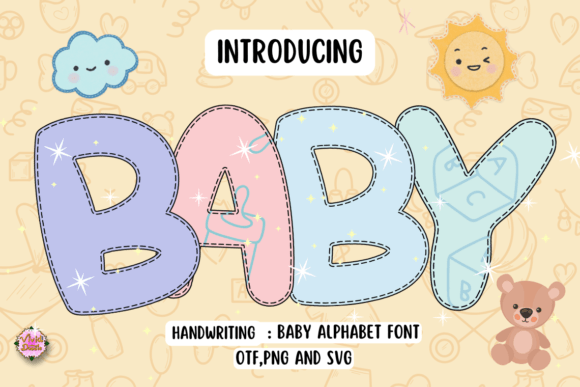
To evaluate the effectiveness of a Baby Alphabet, one must first dissect its defining characteristics. These fonts are typically characterized by gentle, rounded letterforms that mimic the organic shapes found in nature or children's handwriting. The stroke weight is often thin, which contributes to an airy, lightweight feel, preventing the text from appearing heavy or aggressive. This structural choice is deliberate; sharp angles and thick serifs can subconsciously signal authority or rigidity, whereas curves suggest safety and comfort.
A significant differentiator in this category is the integration of playful elements. Many Baby Alphabet variations include subtle flourishes, such as dots on the 'i' shaped like stars or hearts, or swashes that resemble scribbles. Furthermore, the association with pastel colors is intrinsic to the style's identity. While the font file itself may be black, the design intent encourages the use of soft pinks, mint greens, sky blues, and buttery yellows. This combination creates a cohesive visual language that immediately signals "baby" or "childhood" to the viewer.
The cursive or handwritten style is another prevalent feature. This mimics the personal touch of a parent writing a note, adding a layer of intimacy to the design. However, there is a delicate balance required here. If the script is too elaborate, it becomes illegible. The most successful Baby Alphabet designs maintain a high degree of clarity even within their whimsical framework. This ensures that while the font captures attention, it does not hinder the communication of essential details such as dates, times, and locations.
Practical Applications and Real-World Performance
The true value of a Baby Alphabet is revealed in real-world scenarios where it is deployed. In the context of event planning, these fonts are indispensable for baby shower invitations. They set the mood before the recipient even reads the body copy. A stark, corporate font would clash with the celebratory and tender nature of the event, whereas a rounded, pastel-inspired typeface aligns perfectly with the occasion. Similarly, in the retail sector, small business owners selling baby products utilize these fonts on packaging and labels to create an immediate emotional connection with parents.
For digital marketers and content creators, the application requires a slightly different approach. On websites and social media graphics, a Baby Alphabet works best as a display font rather than a body text font. Its unique character makes it ideal for headlines, logos, and call-to-action buttons where visual impact is prioritized over long-form reading. Using it for large blocks of text can lead to eye strain and reduced retention rates due to the irregularity of the letterforms. Therefore, the strategic pairing of a Baby Alphabet headline with a clean, neutral sans-serif body font is a common and effective practice among professional designers.
Educational resources also benefit significantly from this typographic style. Flashcards, storybooks, and learning apps for toddlers often employ these fonts because they resemble the way children learn to write. The rounded edges and simplified structures reduce cognitive load, making the letters easier for young minds to recognize and memorize. In this context, the font serves a dual purpose: it is aesthetically pleasing to the adult purchasing the material and functionally supportive of the child's developmental stage.
Usability and Flexibility Across Platforms
When assessing the flexibility of a Baby Alphabet, consistency across various mediums is a key factor. High-quality versions of these fonts come with comprehensive character sets that include numerals, punctuation, and special symbols, ensuring that the design remains consistent even when including prices, addresses, or contact information. Some lower-quality alternatives may lack these features, forcing designers to mix fonts, which can disrupt the visual harmony of the project.
Scalability is another crucial aspect. A robust Baby Alphabet should render clearly at both small sizes, such as on product tags, and large formats, like banners or nursery wall decals. Fonts with overly thin strokes may disappear or become pixelated when scaled down, while those with excessive detailing can look muddy when enlarged. Professional evaluation involves testing the font at various resolutions to ensure it maintains its integrity. Additionally, web compatibility is increasingly important. Modern web-safe versions or variable fonts allow for seamless integration into responsive designs, ensuring that the aesthetic holds up on mobile devices as well as desktop screens.
Target Audience and Strategic Fit
Who benefits most from incorporating a Baby Alphabet into their workflow? Primarily, this includes entrepreneurs in the baby and toddler industry, from boutique clothing brands to toy manufacturers. For these businesses, the font acts as a silent salesperson, reinforcing the brand's commitment to gentleness and care. Freelance graphic designers who specialize in stationery, wedding planning, or family photography also find immense value in having a versatile collection of these typefaces. It allows them to offer clients a polished, thematic look without needing to create custom lettering from scratch.
Marketers and bloggers focusing on parenting niches can leverage this style to increase engagement. Content that feels personal and relatable tends to perform better in these communities. By using a Baby Alphabet for headers or pull quotes, creators can differentiate their content from the sea of generic, corporate-style articles. Educators and publishers developing early literacy programs also stand to gain, as the font supports pedagogical goals while maintaining an engaging visual presentation.
However, it is vital to recognize situations where this font may not be appropriate. In formal medical contexts, legal documents, or corporate reports regarding childcare statistics, the whimsical nature of a Baby Alphabet can undermine the perceived seriousness and credibility of the information. The audience for such documents expects clarity and authority, which is better served by traditional, neutral typefaces. Understanding these boundaries is part of professional judgment and ensures that the font enhances rather than detracts from the message.
Quality Considerations and Long-Term Value
Investing in high-quality typographic assets is a decision with long-term implications for a brand or portfolio. A premium Baby Alphabet offers superior kerning, ligatures, and open-source licensing options that provide peace of mind for commercial projects. Cheaper or free alternatives often suffer from inconsistent spacing, missing characters, or restrictive licenses that limit usage to personal projects only. Over time, these limitations can become costly if a rebrand or redesign is necessary.
Reliability is also a factor. A font that crashes design software or fails to export correctly can cause significant workflow disruptions. Established foundries and reputable independent designers usually test their work rigorously, ensuring that the Baby Alphabet performs reliably across different operating systems and applications. This reliability translates to efficiency, allowing professionals to focus on creativity rather than troubleshooting technical issues.
Furthermore, the longevity of a design trend is worth considering. While some styles fall out of favor quickly, the fundamental appeal of rounded, friendly typography for children has remained relatively stable. A well-designed Baby Alphabet that avoids overly trendy gimmicks can remain relevant for years, providing sustained value for the creator. It becomes a staple in the toolkit, ready to be deployed whenever a project requires a touch of warmth and playfulness.
Conclusion on Implementation Strategy
The Baby Alphabet is a powerful asset for professionals seeking to communicate warmth, innocence, and approachability. Its strength lies in its ability to blend aesthetic charm with functional readability, making it suitable for a wide range of applications from print invitations to digital branding. However, its effectiveness depends on thoughtful implementation. Designers must consider the context, audience, and medium to ensure the font enhances the message rather than distracting from it.
By selecting high-quality versions that offer flexibility and consistency, professionals can maximize the return on their creative investment. Whether you are launching a new baby product line, designing a nursery theme, or creating educational content, the right typographic choice can make a significant difference. Ultimately, the Baby Alphabet is more than just a cute font; it is a strategic tool that, when used correctly, helps build meaningful connections with audiences who value care and tenderness in their visual experiences.