Short Plan: A Strategic Approach to Modern Brush Typography
In the crowded landscape of digital and print media, the choice of typography often dictates the first impression a brand or message makes. Short Plan is not merely another decorative typeface; it is a modern brush font engineered for versatility and impact. Designed with a quirky, hand-drawn aesthetic, it bridges the gap between casual creativity and professional polish. For entrepreneurs, marketers, and designers aiming to cut through the noise, understanding how to deploy Short Plan strategically can transform a standard layout into a compelling visual narrative.
The strategic value of Short Plan lies in its ability to humanize digital communication. In an era dominated by rigid sans-serifs and sterile geometric fonts, a brush style introduces texture, movement, and personality. However, like any powerful tool, its effectiveness depends entirely on context. Using Short Plan without a clear objective can lead to visual clutter, whereas intentional application can elevate branding, improve readability in specific contexts, and reinforce a unique market position.
Defining the Visual Identity of Short Plan
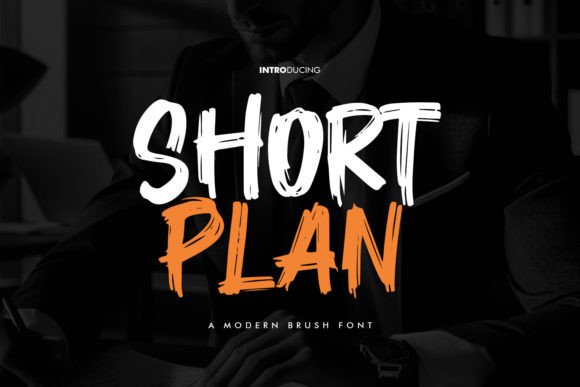
At its core, Short Plan is a display font characterized by fluid strokes that mimic natural handwriting while maintaining legibility at various sizes. Its "quirky" nature does not imply chaos; rather, it suggests approachability and authenticity. This distinction is crucial for decision-makers evaluating typography for their next campaign or rebranding effort.
When you analyze the anatomy of Short Plan, you notice the variation in stroke weight and the organic imperfections that give it life. These features make it particularly effective for:
- Posters and Banners: Where large-scale visibility is required to grab attention from a distance.
- Logos: Especially for brands in the creative, lifestyle, food, or education sectors that wish to appear accessible.
- Book Covers: Particularly for memoirs, self-help guides, or fiction where a personal touch resonates with the reader.
- Magazine Headers: To break up dense text blocks and signal a shift in tone or section.
The font's modern interpretation of the brush style ensures it does not feel dated. It avoids the overly distressed look of vintage grunge fonts, opting instead for clean lines that render well on high-resolution screens and crisp paper stocks. This adaptability allows it to fit into a wide array of projects, from a startup's launch landing page to a non-profit's fundraising flyer.
Strategic Applications in Branding and Marketing
For business owners and marketers, typography is a silent salesperson. It communicates values before a single word is read. Integrating Short Plan into your brand identity should be a deliberate move to signal specific attributes to your audience.
If your goal is to position your brand as innovative yet grounded, Short Plan offers a compelling solution. Consider a small business owner launching a local coffee shop. A corporate serif font might feel too distant, while a standard sans-serif could blend into the background. Short Plan, used for the logo and menu headers, immediately conveys warmth and craftsmanship. It tells the customer, "We are handmade, we care about detail, and we welcome you."
Similarly, for freelancers and creators building a personal brand, this font can serve as a signature element. On social media graphics, blog headers, or portfolio presentations, Short Plan acts as a visual anchor that distinguishes your content from competitors using generic templates. The key is consistency. When used across multiple touchpoints—business cards, website banners, and email newsletters—it builds a cohesive visual language that audiences begin to recognize and trust.
Enhancing Customer Experience Through Design
Beyond aesthetics, the right font influences how users interact with content. Short Plan excels in environments where engagement is the primary metric. In marketing campaigns, headlines written in Short Plan tend to draw the eye more effectively than block text. This increased attention span allows the supporting copy to do its job more efficiently.
However, this power requires restraint. Because Short Plan is a display font, it is best suited for headlines, short phrases, and emphasis points. Attempting to use it for body text in long-form articles or legal documents would compromise readability and frustrate the user. Strategic planning involves knowing when to stop. Pairing Short Plan with a highly legible sans-serif or slab serif for body copy creates a balanced hierarchy that guides the reader naturally through the content.
Decision-Making Framework for Implementation
Before committing to Short Plan for a major project, professionals should evaluate the alignment between the font's characteristics and their specific goals. This evaluation prevents the common pitfall of choosing a font based solely on initial visual appeal rather than functional utility.
- Define the Emotional Goal: What feeling should the audience experience? If the answer is "trust," "stability," or "authority," a traditional serif might be safer. If the goal is "fun," "creativity," or "approachability," Short Plan is a strong candidate.
- Analyze the Medium: Will this design live primarily on mobile devices, billboards, or printed brochures? Short Plan scales well, but test it at small sizes to ensure the brush details do not become muddy on low-resolution screens.
- Consider the Audience Demographics: While versatile, the playful nature of a brush font may not resonate with conservative industries like law or finance unless used very sparingly for accent purposes.
- Review the Competitive Landscape: Look at what similar businesses are using. If the entire sector relies on rigid geometry, Short Plan can be a differentiator. If everyone is using brush scripts, you may need to find a way to use it uniquely to stand out.
Risks of Unintentional Usage
The greatest risk associated with Short Plan is the assumption that its inherent style carries the entire weight of the design. Without clear goals, a designer might overuse the font, leading to a chaotic visual experience. When every headline, subhead, and caption screams for attention, nothing stands out.
Furthermore, relying on a trendy font without considering long-term viability can result in frequent rebranding costs. While Short Plan has a timeless quality due to its modern execution, trends in graphic design shift. A strategic approach involves selecting a font that will remain relevant for years, not just months. Short Plan achieves this balance by avoiding extreme stylistic flourishes that date quickly, focusing instead on a clean, readable structure.
Another potential pitfall is pairing Short Plan with incompatible typefaces. Combining it with another script or overly ornate font can create visual conflict. The most successful applications pair Short Plan with neutral, structural fonts that allow the brush strokes to shine without competition. This contrast is essential for maintaining a professional appearance while retaining the quirky charm.
Maximizing Long-Term Value and Productivity
For educators, publishers, and content creators, time is a critical resource. Investing in a versatile asset like Short Plan can streamline the design process. Because it matches well with a large set of projects, teams can build a library of templates featuring the font. This standardization reduces decision fatigue and accelerates production times.
Imagine a publishing house creating a series of books for young adults. Using Short Plan for titles and chapter headers creates a unified series identity. Readers instantly recognize the book as part of the collection, fostering brand loyalty. Similarly, a marketing agency can use Short Plan across client campaigns to maintain a consistent internal workflow while adapting the surrounding elements to fit each client's needs.
The productivity gain extends to learning and iteration. When a team understands the rules of engagement for a specific font, they spend less time debating design choices and more time refining the message. Short Plan provides a reliable framework for creativity, allowing designers to experiment with layout and color while knowing the typography will hold the composition together.
Conclusion: Intentionality Over Impulse
Short Plan represents more than just a collection of characters; it is a strategic asset for those willing to wield it with purpose. Its modern brush style offers a unique opportunity to inject personality and warmth into designs that often feel cold and impersonal. From posters and logos to magazine covers and banners, its potential is vast, but its success hinges on thoughtful application.
To achieve better results, view Short Plan as a partner in your communication strategy rather than a decorative afterthought. By aligning its use with clear objectives, understanding its limitations, and respecting the principles of visual hierarchy, you can create designs that not only look lovely but also perform effectively. Whether you are a small business owner looking to connect with customers or a seasoned marketer crafting a global campaign, the intentional use of Short Plan can help your ideas stand out in a meaningful and lasting way.