Rotella: A Comprehensive Evaluation of the Modern Script Font
In the realm of digital typography, script fonts occupy a unique space between legibility and artistic expression. Rotella has emerged as a notable option for designers seeking a clean, stylish, and modern aesthetic within this category. Unlike traditional calligraphic typefaces that often rely on heavy contrast and complex flourishes, Rotella presents itself as an elegant solution tailored for contemporary design needs. This evaluation aims to provide a balanced perspective on the font's capabilities, helping designers determine if it aligns with their specific project requirements.
Understanding the Design Philosophy of Rotella
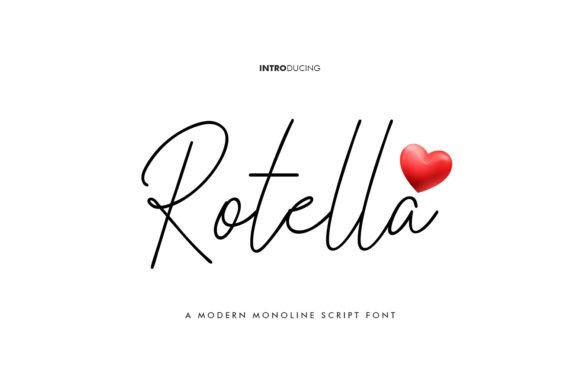
Rotella is defined by its smooth curves and refined structure, distinguishing it from more ornate or vintage-style scripts. The font was developed to bridge the gap between formal elegance and modern minimalism. Its character set is designed to maintain readability even at smaller sizes, which is a common challenge with many decorative script typefaces. The strokes are consistent in weight, avoiding the extreme thick-and-thin variations found in classic copperplate styles, resulting in a look that feels both approachable and sophisticated.
The primary appeal of Rotella lies in its versatility. It is not merely a display font reserved for headlines; its structural integrity allows it to function effectively across various media formats. Whether used for a magazine cover, a book title, or a subtle logo mark, the font retains its visual identity without becoming cluttered. For designers working on projects that require a touch of personal flair without sacrificing clarity, Rotella offers a distinct advantage.
Key Benefits and Practical Applications
When considering a new typeface, understanding its practical utility is essential. Rotella excels in several specific areas where modern aesthetics are prioritized over historical accuracy.
- Brand Identity and Logos: The clean lines of Rotella make it an excellent choice for branding. It works particularly well for businesses in the lifestyle, fashion, beauty, and hospitality sectors. The font conveys a sense of quality and attention to detail, which can enhance brand perception.
- Editorial Design: In magazines and book covers, Rotella provides a strong focal point. Its modern interpretation of script ensures that titles stand out against photographic backgrounds without competing for attention. The open counters and balanced spacing contribute to high legibility in print layouts.
- Digital Banners and Posters: For large-format displays, the font scales effectively. The elegant curves remain crisp when rendered on screens or printed on banners, ensuring that the message is communicated clearly even from a distance.
- Creative Flexibility: One of the significant advantages of Rotella is its ability to pair well with other typefaces. Because it is not overly decorative, it can be matched with a wide range of sans-serif or serif fonts to create a cohesive hierarchy.
Tradeoffs and Considerations
While Rotella offers numerous advantages, it is important to acknowledge situations where it may not be the optimal choice. No single typeface is a universal solution, and understanding the limitations is crucial for effective decision-making.
Contextual Appropriateness: Despite its modern feel, Rotella remains a script font. It inherently carries a tone of formality and elegance. Using it for projects requiring a rugged, industrial, or strictly corporate utilitarian look would likely result in a mismatch. It is generally unsuitable for body text in long-form documents, such as technical manuals or academic papers, where maximum readability and neutrality are paramount.
Licensing and Accessibility: As with many premium fonts, users must consider licensing terms. If a project requires extensive modifications or web embedding, the cost and legal restrictions associated with Rotella should be weighed against free alternatives. Additionally, while the font is designed for clarity, script fonts can sometimes pose challenges for users with visual impairments compared to standard sans-serif options. Accessibility should always be a factor in the selection process.
Situations Where Alternatives May Be Preferable
Designers should consider alternative typefaces if their project goals diverge from the strengths of Rotella. For instance, if a brand identity requires a more playful or handwritten feel, a brush script or a marker-style font might convey the desired energy more effectively. Conversely, if the project demands a strict adherence to historical typography, such as for a period drama poster or a heritage brand, a traditional calligraphic font with higher stroke contrast would be more appropriate.
Furthermore, if the budget is constrained, there are several open-source script fonts available that offer similar characteristics. While they may lack the specific refinements of Rotella, they can serve as viable placeholders or final choices for low-budget projects. Evaluating whether the specific nuances of Rotella justify the investment is a necessary step in the procurement process.
Strategic Decision-Making for Designers
To determine if Rotella is the right fit for your next project, consider the following strategic questions:
- What is the primary emotion you wish to convey? If the goal is elegance, sophistication, and modernity, Rotella is a strong contender. If the goal is playfulness, urgency, or aggression, look elsewhere.
- How will the font be scaled? Test the font at various sizes. While Rotella is robust, ensure it remains legible in the smallest application intended for your project.
- What is the pairing strategy? Select a complementary sans-serif or serif font and test the combination. The success of a script font often depends on how well it harmonizes with the supporting typeface.
- Does it meet accessibility standards? Evaluate the contrast and legibility for all potential audiences, ensuring the design is inclusive.
Ultimately, the value of Rotella lies in its ability to elevate a design through subtle refinement rather than overt decoration. It serves as a tool for designers who understand that typography is about communication as much as it is about aesthetics. By carefully weighing its benefits against the specific constraints and goals of a project, designers can make informed decisions that enhance the overall impact of their work.
In conclusion, Rotella represents a thoughtful evolution in script typography. It offers a balance of style and functionality that makes it suitable for a wide array of creative endeavors, from logos to editorial covers. However, like any design asset, its effectiveness depends on proper application. By understanding its strengths and limitations, designers can utilize Rotella to create compelling visuals that resonate with their target audience while maintaining professional standards.