Indenture English Penman: A Workflow Guide for Authentic Historical Typography
In the realm of professional design, historical accuracy often hinges on the smallest details. For creators working on projects that require an authentic eighteenth or nineteenth-century aesthetic, the choice of typeface is not merely decorative; it is foundational to the credibility of the final product. Indenture English Penman stands out as a comprehensive solution for designers, publishers, and historians who need to replicate the look of original English and American indenture contracts. Unlike standard serif fonts that offer a generic "old" feel, this typeface is grounded in rigorous research into actual historical documents, providing a level of granularity that transforms digital layouts into convincing period pieces.
Understanding how to integrate Indenture English Penman into a creative workflow requires looking beyond simple text entry. It involves a process of preparation, asset management, and strategic application within professional software environments. Whether you are designing a novel cover, creating educational materials about colonial history, or producing marketing assets for a heritage brand, this font offers a robust toolkit that demands a specific approach to maximize its potential.
The Foundation of Historical Accuracy
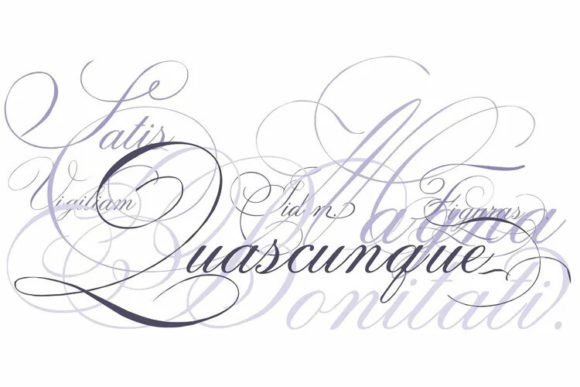
The value of Indenture English Penman lies in its source material. The font was developed through extensive research into original indenture contracts from the 1700s and 1800s. These documents were the legal backbone of the era, governing labor agreements, land transfers, and apprenticeships. To capture their essence, the font incorporates roundhand scripts, which were the standard for formal writing during that period. However, the true complexity emerges in the integration of paragraph versals rendered in Old English script.
This combination creates a visual hierarchy that mirrors the works of George Bickham, a celebrated calligrapher whose influence defined the aesthetic of the time. Bickham's style was characterized by intricate flourishes and a dynamic interplay between different script styles. By embedding these elements into a digital format, Indenture English Penman allows modern users to access a library of over 800 glyphs. This includes dozens of unique versals for each letter of the alphabet, ensuring that no two paragraphs need look identical if variety is desired.
For professionals in publishing or graphic design, this depth of character set is critical. Standard fonts often lack the specific ligatures and stylistic alternates needed to avoid repetition. When working on long-form documents or complex layouts, the ability to pull from hundreds of distinct glyphs ensures that the text maintains visual interest and authenticity throughout the entire piece.
Integrating the Font into Your Design Process
Successfully using Indenture English Penman requires a shift in how one approaches typography in design software. Because the font is so feature-rich, relying solely on standard keyboard input will result in a flat, underutilized output. The most effective workflow involves leveraging the advanced features of vector-based design tools like Adobe Illustrator or InDesign.
Preparation and Asset Organization
Before beginning a project, it is essential to familiarize yourself with the Glyphs panel in your chosen software. This is where the true power of the font resides. The panel allows you to browse the hundreds of available characters, including the specific Old English versals and the various flourish options. Organizing your workspace to have quick access to these panels can significantly speed up the design process. Instead of typing a standard capital 'A' and hoping it fits the context, you can select a specific versal designed to anchor a new chapter or section.
Strategic Application During Layout
During the layout phase, the font interacts with other design elements to create a cohesive document. The roundhand body text provides excellent readability while maintaining the period feel. However, the real impact comes from the strategic placement of flourishes. These are not just decorative afterthoughts; they serve as structural elements that guide the reader's eye. You might use a large flourish at the beginning of a contract clause to denote importance, or a smaller swash to connect two lines of text in a header.
When working on projects such as book covers or certificate designs, the interaction between the font and white space becomes crucial. The flourishes in Indenture English Penman are expansive and can easily overwhelm a cramped layout. Planning the negative space around these elements is a key part of the implementation process. This ensures that the intricate details of the script remain legible and do not clash with other graphical assets like borders or watermarks.
Workflow Examples for Different Professionals
The versatility of this typeface makes it applicable across a wide range of industries. Here is how different professionals can adapt the font to their specific workflows:
- Publishers and Book Designers: For those creating historical fiction or non-fiction, the font is ideal for chapter headings and drop caps. The workflow involves setting the main body text in a complementary serif font for readability, then using Indenture English Penman exclusively for the ornamental elements. This creates a clear distinction between narrative content and structural markers, enhancing the reader's immersion.
- Educators and Curriculum Developers: Teachers creating materials on American or British history can use the font to simulate primary sources. By drafting mock indenture contracts or letters using the font, students gain a tangible connection to the past. The process involves selecting appropriate versals to mimic the handwriting of the era, making the learning activity more engaging and visually accurate.
- Marketing Agencies and Brand Managers: Brands seeking to convey tradition, heritage, or luxury can utilize the font for packaging, logos, or campaign materials. The workflow here focuses on consistency. Once a specific set of flourishes and versals is chosen for a brand identity, they should be documented and reused across all touchpoints to maintain a unified voice.
- Freelancers and Calligraphy Enthusiasts: For hobbyists or freelancers offering custom stationery services, the font serves as a digital alternative to hand-lettering. It allows for rapid prototyping of designs before committing to physical production. The efficiency gained from having dozens of versals and flourishes at the fingertips means that clients can see variations quickly without waiting for hours of manual drawing.
Technical Considerations and Compatibility
While Indenture English Penman is powerful, it does come with technical considerations that affect usability and long-term project management. The sheer number of glyphs means that the font file size is larger than standard typefaces. This can impact loading times in web applications or cloud-based design platforms. For print-heavy workflows, this is rarely an issue, but digital-first projects may require optimization strategies.
Compatibility is another factor to weigh. While the font works seamlessly in major industry-standard software like Adobe Creative Cloud, some older or simplified text editors may not support the full range of OpenType features. Users must ensure their software environment supports advanced glyph substitution and alternate character sets. If a project requires collaboration with team members who use different software, it is vital to verify that everyone has access to the same version of the font and the necessary tools to view the special characters correctly.
Quality control is also paramount when dealing with such detailed typography. At small sizes, the intricate flourishes and fine lines of the roundhand script can become indistinct. A practical rule of thumb is to reserve the most elaborate versals and flourishes for display sizes—headlines, titles, and initial letters—while keeping the body text clean and legible. Testing the design at 100% zoom is essential to catch any rendering issues where strokes might merge or vanish.
Long-Term Value and Consistency
Investing time in mastering Indenture English Penman yields long-term benefits for any creator focused on historical aesthetics. Once the workflow is established, the font becomes a reliable asset that can be deployed across multiple projects with minimal adjustment. The consistency provided by a single, well-researched typeface family ensures that all outputs share a common visual language.
Furthermore, the font encourages a deeper understanding of typographic history. By interacting with the specific styles of George Bickham and the conventions of eighteenth-century indentures, designers develop a refined eye for detail that translates to other areas of their work. This process-oriented approach to typography moves beyond mere decoration, fostering a discipline of precision and intentionality.
Ultimately, Indenture English Penman is more than a collection of letters; it is a tool for storytelling. Whether used to authenticate a legal document replica, elevate a book cover, or add a touch of elegance to a wedding invitation, its effectiveness depends on how well it is integrated into the broader design process. By utilizing the Glyphs resource, planning layouts with ample white space, and respecting the historical context of the script, professionals can unlock the full potential of this exceptional typeface. The result is work that not only looks authentic but feels rooted in the rich tradition of English and American calligraphy.