Beinhart: Defining the Future of Geometric Typography
In the rapidly evolving landscape of digital and print design, typography serves as the silent architect of communication. It dictates mood, establishes hierarchy, and often acts as the primary visual hook before a single word is read. Among the myriad of typefaces available to modern creators, Beinhart has emerged as a distinctive force. This expanded sans serif typeface challenges conventional spacing norms with its unique width and geometric precision. By blending futuristic contours with contemporary utility, Beinhart offers designers a tool that is not merely decorative but structurally significant. Whether you are crafting a brand identity for a tech startup or designing a poster for an urban art festival, understanding the nuances of this font can elevate your visual storytelling.
The Architecture of Expanded Geometry
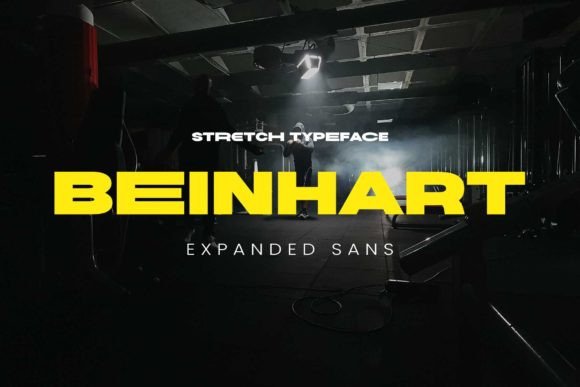
At its core, Beinhart is defined by its structural integrity and spatial manipulation. Unlike traditional sans serifs that adhere to standard x-heights and moderate letter widths, Beinhart embraces an expanded form. This deliberate widening creates a sense of stability and presence on the page. The geometric nature of the characters ensures that curves are mathematically consistent while sharp angles provide a sense of forward momentum. This combination results in a typeface that feels both grounded and dynamic.
The bold shapes inherent in Beinhart contribute significantly to its readability at various scales. In large display sizes, the thick strokes create a monumental impact, making it ideal for headlines that need to command attention instantly. However, the design does not sacrifice legibility for style. The open counters and distinct character forms ensure that even when used in slightly smaller body text contexts—such as captions or subheads—the message remains clear. This balance between aesthetic boldness and functional clarity is what sets Beinhart apart from other display fonts that often become illegible when scaled down.
Visual Weight and Spatial Dynamics
One of the most striking aspects of working with Beinhart is how it manipulates negative space. The expanded width means that letters occupy more horizontal real estate, which naturally slows down the reading pace. This deceleration forces the viewer to engage more deeply with the content. For brands looking to convey authority, confidence, or a "big picture" perspective, this visual weight is invaluable. It transforms text from a mere carrier of information into a graphical element in its own right.
Furthermore, the geometric foundation allows Beinhart to integrate seamlessly with other modern design elements. Its clean lines complement minimalist layouts, while its boldness can anchor complex, busy compositions. Designers often find that pairing Beinhart with thin, delicate lines or expansive whitespace creates a high-contrast aesthetic that feels fresh and innovative. This versatility makes it a robust choice for projects ranging from brutalist web interfaces to sleek product packaging.
Unlocking Versatility Through Alternate Characters
A defining feature that elevates Beinhart above standard geometric sans serifs is its extensive set of alternate characters. These alternates are not merely stylistic flourishes; they are wider variations of the basic set, designed specifically to offer greater flexibility in composition. This capability allows typographers to mix and match characters within a single word or headline, creating unique rhythms and visual textures that are impossible to achieve with a static font family.
Consider a scenario where a designer needs to emphasize a specific keyword within a title. By swapping a standard character for its wider alternate counterpart, they can draw the eye to that specific term without changing the font size or weight. This subtle manipulation adds a layer of sophistication and customizability to the design process. It empowers creators to break the monotony of uniform letter spacing, introducing a human touch to an otherwise rigid geometric structure.
Strategic Application of Alternates
The strategic use of these wider alternates can also solve layout challenges. In tight spaces where kerning adjustments might look awkward, swapping a narrow character for a wider one can improve the overall optical balance of a line of text. Conversely, using the standard characters alongside the alternates can create intentional tension and rhythm. For example, a logo might utilize the widest alternates for the first and last letters to frame the word, while keeping the middle characters standard to maintain flow.
This level of control is particularly beneficial for branding projects where uniqueness is paramount. In a crowded market, a logo that utilizes the full potential of Beinhart's alternates stands out as bespoke and tailored. It signals to the audience that the brand pays attention to detail and values individuality. From sports team jerseys to album covers, the ability to customize the texture of the text through these alternates opens up a world of creative possibilities.
Contextual Applications Across Industries
The adaptability of Beinhart extends across a wide spectrum of industries and genres. Its futuristic-contemporary style makes it a natural fit for sectors that value innovation and forward-thinking. However, its geometric roots also lend it a retro appeal, allowing it to bridge the gap between past and future aesthetics. This dual nature makes it a versatile asset for professionals in diverse fields.
Tech and Futurism
In the technology sector, where brands strive to project an image of cutting-edge innovation, Beinhart excels. Its clean, geometric lines echo the precision of code and hardware, while the expanded width suggests scalability and growth. Tech startups, software companies, and AI firms often utilize this typeface for their logos and marketing materials to communicate reliability and modernity. The font's bold shapes resonate well with audiences who associate strong typography with robust engineering and advanced capabilities.
Urban Culture and Sports
The energy of Beinhart aligns perfectly with the fast-paced worlds of urban culture and sports. The font's aggressive stance and heavy weight make it ideal for athletic apparel, event posters, and streetwear branding. It captures the intensity and dynamism of competitive sports, conveying power and speed. Similarly, in the realm of urban art and music, Beinhart's ability to stand out against chaotic backgrounds makes it a favorite for graffiti-inspired designs and concert promotions. Its boldness cuts through visual noise, ensuring the message is heard loud and clear.
Retro and Brutalist Aesthetics
Interestingly, despite its futuristic veneer, Beinhart also finds a home in retro and brutalist design movements. The geometric purity of the characters recalls the industrial typography of the mid-20th century, while the expanded proportions add a modern twist. Designers exploring brutalism—a style characterized by raw, unadorned structures and stark contrasts—find Beinhart to be an excellent tool. Its lack of ornamentation and reliance on pure form fits the philosophy of brutalism perfectly, allowing the content to speak for itself with maximum impact.
Practical Considerations for Implementation
While Beinhart offers immense creative potential, successful implementation requires a thoughtful approach. As with any bold typeface, there are practical considerations regarding readability, pairing, and medium that must be addressed to ensure the best results.
Hierarchy and Contrast: Because Beinhart is inherently bold and wide, it should generally be reserved for headlines, titles, and short phrases. Using it for long paragraphs of body text can lead to visual fatigue due to the high ink coverage and reduced reading speed. To create effective hierarchy, pair Beinhart with a neutral, highly legible sans serif or serif typeface for body copy. This contrast allows Beinhart to shine as the focal point while ensuring the rest of the content remains accessible.
Kerning and Spacing: The expanded nature of the font means that default letter spacing might feel too tight in certain contexts. Designers should experiment with tracking (letter-spacing) to find the optimal balance. Sometimes, adding a slight amount of extra space between characters can enhance the geometric beauty of the font, allowing each shape to breathe. Conversely, tightening the kerning can create a solid block of color, which is effective for impactful banners and buttons.
Digital vs. Print: When using Beinhart in digital environments, consider the resolution and rendering capabilities of different devices. The bold shapes render beautifully on high-resolution screens, but on lower-quality displays, fine details might blur. In print, the font performs exceptionally well, especially on textured papers where the ink absorption enhances the tactile quality of the bold strokes. Always proofread physical samples to ensure the expanded characters do not appear distorted or overly heavy in the final output.
The Evolution of Contemporary Type Trends
The rise of Beinhart reflects broader trends in contemporary typography. There is a growing demand for fonts that are expressive yet functional, capable of standing alone as graphic elements while maintaining readability. The shift towards expanded and wide typefaces indicates a desire for designs that occupy space confidently, rejecting the minimalism that dominated the early 2000s in favor of something more substantial and assertive.
Moreover, the integration of alternate characters speaks to the increasing customization available in digital design tools. Modern audiences expect unique, personalized experiences, and typography is a key vehicle for delivering that. Fonts like Beinhart, which offer built-in mechanisms for variation, empower designers to meet these expectations without needing to manually redraw every letterform. This efficiency allows for faster iteration and more experimentation, driving the evolution of visual language in advertising, web design, and branding.
As we move further into an era dominated by digital interaction, the need for typefaces that translate well across screens, billboards, and merchandise becomes critical. Beinhart's robust construction ensures it remains legible and impactful regardless of the medium. Its ability to evoke a sense of the future while retaining a connection to geometric tradition positions it as a staple for designers navigating the complexities of modern visual communication.
Conclusion on Visual Impact
Ultimately, Beinhart represents more than just a collection of letters; it is a statement of intent. Its expanded width, geometric precision, and bold shapes create a strong impression that resonates with audiences seeking authenticity and modernity. By offering alternate characters and a flexible design framework, it invites creators to push boundaries and explore new visual territories. Whether applied to a futuristic tech interface, a gritty sports campaign, or a retro-inspired editorial, Beinhart provides the structural backbone needed to support powerful narratives. For professionals and hobbyists alike, mastering the use of this typeface opens the door to creating work that is not only seen but felt.